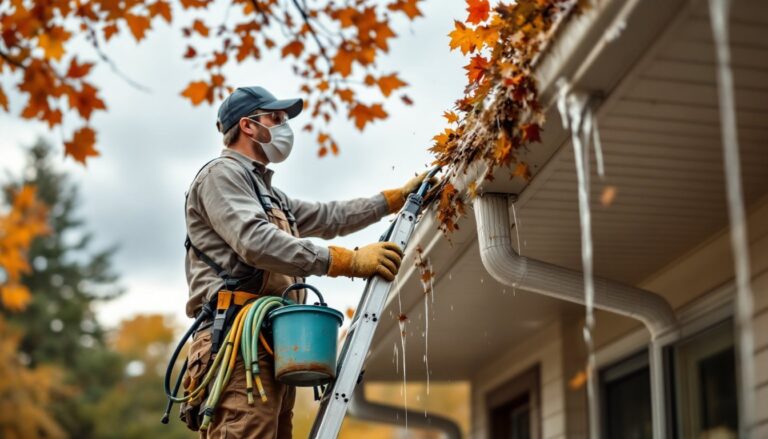
Underground drains are the silent workers of your home, carrying wastewater away from your foundation and septic system without a second thought, until they stop working. An underground gutter drain cleaning service or full system maintenance can mean the difference between smooth operation and a backed-up nightmare that costs thousands to repair. Most homeowners don’t think about their underground drains until tree roots have invaded the line or years of sediment buildup slow everything to a crawl. This guide walks you through what underground drains are, why they need cleaning, and when to call in professionals to keep your system flowing freely.
Table of Contents
ToggleKey Takeaways
- An underground drain cleaning service should be performed every 2 to 5 years to prevent costly emergency repairs caused by sediment, tree roots, and debris buildup.
- Warning signs like slow drainage, foundation cracks, sewer odors, and recurring plumbing backups indicate your underground drains need professional attention before catastrophic failure occurs.
- Hydro jetting, which uses 4,000 to 8,000 PSI water pressure, is the most effective method for deep cleaning and removing invasive tree roots, typically costing $300 to $800 per job.
- Professional camera inspection ($150–$400) pinpoints blockages and pipe damage before cleaning, preventing unnecessary work and providing a clear action plan with accurate cost estimates.
- Regular preventive maintenance budgeted at $400–$600 annually costs far less than emergency repairs, which can range from $3,000 to $25,000+ for pipe replacement.
- Properties with mature trees, clay pipes, or a history of backups should schedule more frequent underground drain cleaning to avoid foundation damage and basement flooding.
What Are Underground Drains and Why They Need Cleaning
Underground drains are subsurface pipes that collect water from gutters, downspouts, landscaping, and foundation systems, then channel it away from your home or into a septic system. These pipes, typically made of PVC, cast iron, or clay, sit anywhere from 12 inches to several feet below grade, making them out of sight but definitely not out of mind when problems develop.
Over time, underground drains accumulate sediment, leaves, debris, and mineral deposits that restrict flow. Tree roots actively seek out moisture and can penetrate pipe joints, eventually blocking entire sections. Without routine cleaning, these underground drain systems become vulnerable to complete failure, causing water to pool around your foundation, backing up into your home, or creating expensive yard damage.
Unlike indoor drain cleaning, which you might tackle with a plunger or drain snake, underground systems require professional attention because they’re pressurized, buried, and often connected to critical structural elements. Regular maintenance, ideally every 2 to 5 years depending on your property’s age and vegetation, keeps water moving and prevents costly emergency repairs.
Signs Your Underground Drains Require Professional Attention
Several warning signs indicate your underground drains need cleaning:
Slow drainage or pooling water. If water sits on your lawn after heavy rain or drains sluggishly from gutters, sediment or debris is likely restricting flow.
Foundation cracks or moisture in the basement. Poor underground drainage forces water against your foundation, leading to seepage and structural damage.
Sewer odors near your lawn or foundation. A smell suggests a blockage or break in the line, allowing gases to escape.
Unusually lush or sunken patches in your yard. Tree roots actively growing in your drain line will overwater some areas while creating voids that collapse the ground.
Recurring plumbing backups inside the home. If your toilet, shower, or washing machine backs up during heavy rainfall, your underground drainage system may be overwhelmed or blocked.
Insect or rodent activity near foundation areas. Breaks in underground pipes attract pests seeking moisture and nesting sites. Any one of these red flags warrants a professional inspection. Don’t wait for a catastrophic failure, a single backed-up system can flood basements, contaminate soil, and trigger expensive excavation.
Professional Underground Drain Cleaning Methods
Professional drain contractors use specialized equipment and techniques that go far beyond a simple plunger. Understanding these methods helps you communicate clearly with service providers and set realistic expectations.
Hydro Jetting and High-Pressure Water Cleaning
Hydro jetting uses a pressurized water jet, typically 4,000 to 8,000 PSI, to blast away sediment, mineral buildup, and even break apart invasive tree roots. A contractor feeds a specialized hose into the drain and systematically flushes debris backward into a collection truck or clean-out area.
Hydro jetting excels at aggressive, deep cleaning and works well on most pipe materials, but it requires extreme care on older clay or cast-iron pipes that may already have weak joints. A professional will often camera-inspect first (see below) to assess pipe integrity before jetting. Water usage runs 50 to 300 gallons per job depending on line length and debris load, so expect higher costs than basic drain snaking, typically $300 to $800 for typical residential systems.
Camera Inspection and Diagnostic Tools
Before committing to major cleaning, professionals deploy high-definition camera systems on flexible cables to visually inspect the interior of your entire underground drain run. These cameras transmit real-time video to a monitor, allowing the technician to pinpoint blockages, cracks, root intrusion, and collapsed sections with precision.
Camera inspection is invaluable because it shows exactly where problems exist and whether cleaning alone will solve them or if pipe replacement is necessary. Many contractors include a camera inspection as part of a routine service call: it typically costs $150 to $400 on its own. This diagnostic step prevents unnecessary work and gives you concrete evidence of your system’s condition. Once the inspection is complete, you’ll have a clear action plan and realistic cost estimates for follow-up work.
Cost Considerations and When to Call a Professional
The cost of underground drain cleaning varies widely based on line length, blockage severity, pipe material, and your region. A straightforward hydro jetting job on a 50-foot run might run $400 to $600, while extensive root removal or multiple blockages can push the bill to $1,000 or more.
Several factors influence pricing:
Line accessibility. If clean-out ports are easy to reach, costs stay lower. Lines requiring excavation to access cost significantly more.
Blockage type and severity. Simple sediment clears faster than hardened mineral deposits or root-choked sections.
Pipe material and age. Older clay or corroded cast-iron pipes require gentler methods, adding cost and time.
Urgency. Emergency or same-day service typically adds 25–50% to standard pricing.
When you contact a contractor, get a written estimate that details the inspection cost, cleaning method, equipment used, and any additional charges for excavation or repairs. Don’t automatically choose the lowest bid, verify credentials, insurance, and references. Resources like how to hire a sewer cleaning professional provide guidance on vetting contractors and asking the right questions.
If your inspection reveals pipe damage, root damage, or collapsed sections, you’ll need pipe repair or replacement, which ranges from $3,000 to $25,000+ depending on line length and depth. In these cases, consulting platforms like ImproveNet for multiple contractor bids can save significant money. Some homeowners also use design-focused platforms like Houzz to research contractor portfolios and read detailed customer reviews.
Regular cleaning every 3 to 5 years costs far less than emergency repairs, so budgeting $400 to $600 annually for maintenance is far smarter than facing a $10,000+ repair bill. If your property has mature trees, clay pipes, or a history of backups, lean toward more frequent service to prevent major failures. An underground gutter drain cleaning service becomes standard maintenance rather than an emergency expense when you stay ahead of problems.
Conclusion
Underground drain cleaning isn’t glamorous, but it’s one of the most cost-effective home maintenance tasks you can perform. A single professional cleaning can prevent thousands in foundation damage, basement flooding, and excavation costs down the road. Know the warning signs, get a camera inspection to confirm problems, and schedule regular service based on your property’s age and conditions. When you act before a crisis, underground drains stay where they belong, invisible and working hard.