Deep cleaning isn’t just about vacuuming or wiping down surfaces, it’s the thorough, elbow-grease approach that tackles the grime buildup regular cleaning misses. Whether you’re prepping for a seasonal refresh or tackling months of accumulated dust, knowing which cleaning products actually deliver results matters. This guide walks through the products, tools, and strategies that work, cutting through marketing hype to focus on what homeowners genuinely need. The right products, paired with a solid plan, turn a challenging job into something manageable.
Table of Contents
ToggleKey Takeaways
- Deep cleaning targets stubborn grime in baseboards, grout, appliances, and light fixtures that regular weekly cleaning misses, requiring specialized cleaning products and heavier-duty formulas.
- All-purpose degreasers like TSP and multi-surface cleaners with surfactants work most effectively when allowed 10–15 minutes of contact time before scrubbing, letting chemistry do half the work.
- Kitchen and bathroom deep cleaning demand specialized products: oven cleaners with alkaline agents, bleach-based or hydrogen peroxide formulas for mold, and acid-based toilet bowl cleaners for mineral deposits.
- Natural and eco-friendly deep cleaning options like vinegar, baking soda, and castile soap deliver adequate results for routine tasks, though they require longer contact time and more manual scrubbing.
- Quality tools—microfiber cloths, stiff-bristled brushes, steam cleaners, and mops with scrub pads—amplify product effectiveness and reduce waste by ensuring proper application and longer-lasting surfaces.
- A rotating monthly deep cleaning schedule by zone (kitchen, bathrooms, bedrooms, floors) prevents overwhelm, ensures consistency, and stops months-long grime buildup that turns projects into nightmares.
Understanding Deep Cleaning Vs. Regular Cleaning
Regular cleaning keeps your home presentable: vacuuming, dusting surfaces, wiping counters. Deep cleaning goes underneath and behind. It targets baseboards, ceiling corners, inside appliances, grout lines, and the dust settled on light fixtures.
The difference comes down to frequency and intensity. You vacuum weekly: you deep clean quarterly or when you notice buildup. Regular cleaning uses standard household products: deep cleaning often requires heavier-duty formulas or specialized tools. Baseboards, for instance, collect pet hair and dust that a quick wipe misses, deep cleaning means kneeling down with a damp cloth and actually scrubbing the groove.
Understanding this distinction helps you choose the right products. A general-purpose cleaner handles most weekly tasks, but deep cleaning grout or oven grime demands something stronger.
Essential All-Purpose Deep Cleaners
An all-purpose deep cleaner is your workhorse, it should handle glass, tile, painted walls, and sealed stone without damaging surfaces. Look for formulas that cut through grease and soap scum, which buildup heavily in kitchens and bathrooms.
Degreasing formulas work best for deep cleaning because they break down oils and residues that water alone won’t lift. A bottle of TSP (trisodium phosphate) or oxygen-based cleaners provides strong cleaning power for floors, walls, and cabinets. Mix at the recommended dilution (typically 1/4 cup per gallon of water) and let it sit for 10–15 minutes on stubborn grime before scrubbing. Wear gloves and ensure good ventilation.
Alternatively, multi-surface cleaners with surfactants dissolve dirt faster than plain water. These work on laminate, sealed wood, tile, and finished hardwood. Apply, let sit briefly, then scrub. The contact time matters more than elbow grease, let the chemistry do half the work. For painted drywall and baseboards, a gentler formulation prevents streaking and surface damage. Test any new product on an inconspicuous spot first, especially on painted or delicate finishes.
Specialized Cleaners For Kitchens and Bathrooms
Kitchens and bathrooms demand their own arsenals because the grime types differ. Kitchen grease clings: bathroom mold and soap scum persist.
Oven and stovetop cleaners contain strong alkaline agents that soften baked-on residue. Spray, wait 15–30 minutes (follow the label), then wipe. Never skip ventilation, these products release fumes. For the cooktop glass, a paste of baking soda and water, followed by a microfiber cloth, avoids harsh chemicals.
Bathroom-specific products target mold, mildew, and soap buildup. Bleach-based formulas kill mold spores: hydrogen peroxide alternatives work without the odor. Apply to tile grout and let sit (5–10 minutes for bleach), then scrub with a stiff brush. Bathroom mold grows in moisture: kill it, then improve ventilation or install an exhaust fan to prevent quick return.
Toilet bowl cleaners contain acid (usually hydrochloric) to dissolve mineral deposits and stains. Squeeze under the rim, let sit 20–30 minutes, brush, and flush. Never mix with bleach, the reaction creates toxic chlorine gas. Bathroom deep cleaning also targets under-sink areas, where moisture breeds mold and mildew: wipe, dry, and ensure pipes aren’t leaking.
For stubborn bathroom and kitchen stains, specialty degreasers designed for those spaces outperform generic all-purpose products. Check expert reviews, sources like Good Housekeeping’s tested cleaning products offer real-world performance data.
Natural and Eco-Friendly Deep Cleaning Options
Not every deep cleaning job requires synthetic chemicals. Vinegar, baking soda, and castile soap handle many tasks, especially if you’re willing to put in elbow grease or let contact time do the work.
Vinegar (white or cleaning vinegar, which has higher acidity) cuts through mineral deposits, soap scum, and grease. Dilute 1:1 with water for general use, or full-strength for heavy buildup. It leaves a smell that fades after an hour. Don’t use on natural stone (granite, marble) because the acidity etches the surface.
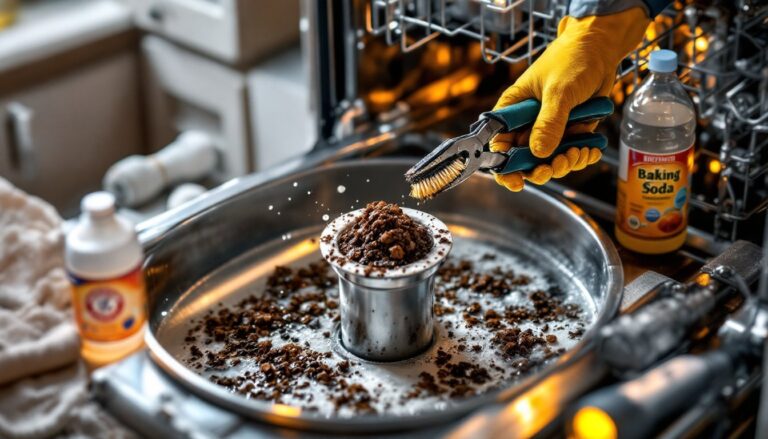
Baking soda is mild abrasive and deodorizer. Make a paste with water and scrub grout, oven interiors, or tile grout. It’s safe on most surfaces and blends well with vinegar for extra cleaning power (the fizzing action helps lift grime). Castile soap, plant-derived and biodegradable, works as a degreaser when mixed with water and a bit of baking soda.
Hydrogen peroxide (3% or 6% solutions) sanitizes and brightens without bleach’s harshness. Spray on bathroom tile and let sit: it kills mold spores. For a natural approach to cleaning that doesn’t sacrifice power, combine these three in different ratios depending on the job. Natural products take slightly longer because chemistry is gentler, but they’re safer for pets, kids, and the environment. The trade-off: you might scrub longer, but the health and cost benefits often justify it. Many homeowners find eco-friendly cleaning options deliver adequate results for routine deep cleaning tasks.
Tools and Equipment That Amplify Your Cleaning Power
The right tools multiply your product’s effectiveness. A soft microfiber cloth beats cotton rags, it holds more water and doesn’t shed lint. Microfiber traps dirt particles at the fiber level, so surfaces stay cleaner longer.
Stiff-bristled brushes scrub grout and tile without scratching. Use brass or nylon bristles on hard surfaces: avoid wire brushes on painted walls or delicate finishes. For baseboards and corners, a small angled brush reaches tight spots. A mop with a scrub pad (not a standard string mop) applies more pressure and agitation, helping cleaners penetrate buildup on floors.
Steam cleaners sanitize without chemicals, the heat kills mold, bacteria, and dust mites. A handheld steamer works for baseboards, tile grout, and upholstery: a floor steamer covers large areas faster. Steam works best after a light pre-cleaning to remove surface dust.
Squeegees prevent water spots on glass and tile after cleaning. A spray bottle lets you control product application and avoid oversaturation. Quality tools cost more upfront but last years and actually reduce product waste because you’re not overspraying or repeating work. For those managing multiple projects, consider investing in automated or robotic cleaning solutions to handle routine daily tasks, freeing time for deep cleaning during seasonal refreshes.
Creating Your Deep Cleaning Strategy and Schedule
Tackling your whole house at once overwhelms. Break deep cleaning into zones and rotate monthly.
Month 1: Kitchen. Focus on appliance interiors, grout, baseboards, and cabinet fronts. Remove shelving and wipe behind/underneath. Deep clean the refrigerator coils (unplug first, vacuum loosely, then wipe). This month requires specialized degreasers and heavier-duty products.
Month 2: Bathrooms. Tackle grout, tile, under-sink areas, and mirror frames. Descale showerheads (soak in vinegar overnight). Clean exhaust fans and light fixtures. Mold and mineral deposits are the focus here.
Month 3: Bedrooms and living areas. Clean ceiling corners (dust accumulates), wipe window frames, baseboards, door frames, and light switches. Wash windows inside and out. Vacuum upholstered items and under furniture. Dust the tops of cabinets, crown molding, and vents.
Month 4: Floors and miscellaneous. Deep scrub hard floors, clean floor transitions and corners, wipe or wash walls if marked or dusty. Start the cycle again.
This rotation prevents burnout and ensures consistent deep cleaning. Mark dates on a calendar or set phone reminders. A room-by-room approach, tackled over a month, feels manageable compared to a Saturday all-hands effort. For those managing cleaning budgets carefully, spacing projects this way lets you buy products monthly and avoid bulk-buying waste. If time is the constraint, hiring professional cleaning contractors for one or two zones annually covers areas most homeowners skip, like ceiling cleaning or window washing. Many DIYers handle monthly maintenance themselves and contract specialists for annual deep jobs.
Conclusion
Deep cleaning isn’t about owning every product on the shelf, it’s about choosing the right ones for your home’s specific needs and sticking to a realistic schedule. Start with a quality all-purpose degreaser, add specialized bathroom and kitchen products, invest in basic tools like brushes and microfiber cloths, and commit to a monthly rotation. Natural alternatives work if you’re patient with contact time and willing to scrub. The real secret is consistency: quarterly deep efforts prevent the months-long grime buildup that turns a project into a nightmare. Your home will feel fresher, and you’ll actually enjoy the process.