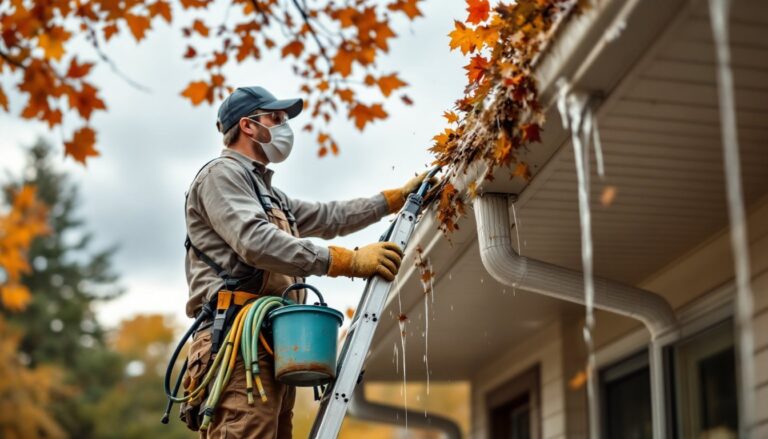
Storm drains are easy to ignore until water backs up into your yard or foundation during a heavy rain. These underground systems carry runoff away from your property, but debris, sediment, and leaves can clog them fast. A neglected storm drain puts your home at risk of flooding, foundation damage, and expensive water damage repairs. The good news: routine cleaning is manageable for most homeowners, and knowing when to DIY versus when to call a pro can save you time and money.
Table of Contents
ToggleKey Takeaways
- Regular storm water drain cleaning prevents costly foundation damage, basement flooding, and mold growth by keeping water flowing away from your home’s foundation.
- Clear warning signs of a clogged storm drain include standing water near downspouts, slow yard drainage, gurgling drain sounds, and soggy lawn patches that appear after rain.
- DIY storm drain cleaning requires basic tools like a drain snake ($20–50), garden hose, and work gloves, but deep blockages (20+ feet) or damaged pipes require professional services to avoid further damage.
- Fall is the critical season for storm drain maintenance—inspect your system after the first heavy autumn rain when leaves and debris are most likely to cause clogs.
- Call a professional plumber if the blockage won’t clear after 20 minutes of effort, water still backs up, or you suspect a collapsed or damaged pipe section.
Why Storm Drain Maintenance Matters for Your Home
Storm drains serve one critical job: moving water away from your home’s foundation and landscape. Unlike sanitary sewers, which handle wastewater from toilets and sinks, storm drains only manage rainwater and surface runoff. When leaves, dirt, and sediment accumulate, water has nowhere to go, it pools around your foundation, seeps into basements, and can trigger structural issues over time.
A clogged storm drain also affects your neighbors and local streets. In many municipalities, residential storm drains connect to municipal systems that protect entire neighborhoods from flooding. When your drain backs up, it reduces the overall capacity of the system. Building codes and local ordinances (which vary by jurisdiction) often require homeowners to maintain clear storm drains for exactly this reason.
Regular cleaning prevents costly damage: foundation cracks from hydrostatic pressure, mold growth in basements, and landscape erosion. A few hours of maintenance annually is far cheaper than emergency water damage restoration.
Signs Your Storm Drain Needs Cleaning
Water pooling or standing near your downspout or in low-lying areas of your yard is the clearest sign of a clogged storm drain. After a rainstorm, walk your property and check for puddles that linger for hours. If water backs up into your foundation or basement, the problem is urgent.
Other warning signs include: slow drainage from yard gutters, gurgling sounds from drain pipes (especially after heavy rain), or a foul smell near drain grates or catch basins. Visible debris sticking out of drain grates or buildup around storm drain covers also indicates blockage. Some homeowners notice soggy spots in their lawn or areas where grass dies off, this points to water pooling underground.
Seasonal inspection matters. Fall is the worst time, when leaves and twigs clog the system. Check your storm drain after the first heavy autumn rain to catch problems early. If you notice signs, don’t wait for the next storm to hit, cleaning is easier when you’re not in emergency mode.
Essential Tools and Materials for DIY Drain Cleaning
Before you start, gather the right equipment. Here’s what you’ll need:
Basic Tools:
- Socket wrench or bolt cutters (to remove storm drain grates)
- Garden hose with a spray nozzle
- Shovel or spade
- Five-gallon bucket
- Flashlight or headlamp
- Work gloves (heavy-duty)
For Deeper Blockages:
- Drain snake (hand-crank or motorized: 25–50 feet of cable works for most residential drains)
- Plumbing auger (mechanical or electric)
- High-pressure jetting nozzle attachment (if you have access to a pressure washer)
- Shop vac or wet/dry vacuum
Safety and Cleanup:
- Safety goggles
- Dust mask or respirator (for disturbed sediment and mold spores)
- Heavy-duty trash bags
- Old towels or rags
A drain snake is the workhorse tool here. Manual snakes cost $20–50 and work fine for small clogs: motorized versions ($100–300) are faster for larger jobs. Pressure washers (which you may already own for driveway cleaning) are excellent for flushing accumulated sediment without chemicals.
Skip chemical drain cleaners. They’re ineffective in storm drains, environmentally problematic, and can damage pipes. Stick to mechanical removal and water pressure.
Step-by-Step Process for Cleaning Your Storm Drain
Assessing the Blockage
Start by locating your storm drain. Most homes have a catch basin or grate-covered inlet where water enters the system, usually in the yard near a downspout or at the curb. Once you find it, remove the grate or cover using a socket wrench or bolt cutters. Wear safety goggles and gloves here: old covers are heavy and may have sharp edges.
Shine a flashlight into the opening and note what you see. Light sediment and leaves are easy to remove. A solid blockage deeper in the pipe (6+ feet) requires a snake. If you can’t see the obstruction clearly or suspect a collapsed section of pipe, stop here, that’s professional territory.
Removing Debris and Unclogging
Start with surface debris. Use a shovel to scoop out accumulated leaves, dirt, and twigs from the catch basin itself. Place everything in a trash bag. This alone often improves drainage.
Next, flush the drain with a garden hose set on medium pressure. Let water run for 2–3 minutes to push out loose sediment and small particles. Use a high-pressure nozzle if available.
If water still backs up, you have a blockage further down. Here’s where a drain snake comes in:
- Feed the snake cable into the drain opening slowly.
- When you feel resistance, stop and rotate the handle. Don’t force it, you can damage the pipe.
- Work the cable back and forth, inching forward as the obstruction breaks apart.
- Pull the snake out carefully and flush the drain again with the hose.
- Repeat if needed.
For stubborn clogs, rent or borrow a motorized drain auger from a home improvement store (around $40–60 per day). These are much more effective than hand snakes and worth the rental cost for difficult blockages.
If the blockage won’t budge after 20 minutes of effort, or if you suspect a cracked or collapsed pipe (water doesn’t drain even after you’ve cleared visible debris), call a professional. Pushing a snake into a damaged pipe can make things worse.
When to Call a Professional
Know your limits. If you’re uncomfortable working in confined spaces, dealing with sewer gases, or if your drain system involves a septic tank or complex underground plumbing, hire a professional. Storm drain cleaning services typically cost $150–500 depending on access difficulty and blockage severity, a fraction of water damage repair costs.
Call a pro if:
- The blockage is 20+ feet deep and you can’t access it with a standard drain snake.
- Water still backs up after you’ve cleared visible debris and flushed the line.
- The drain grate is corroded, cracked, or won’t come off safely.
- You suspect a collapsed or damaged pipe section.
- Your property has a sump pump or complex drainage system.
Professional plumbers and storm drain contractors use video camera inspection (which costs extra but shows exactly what’s wrong) and industrial-grade jetting equipment. They can also identify whether you need pipe repair or replacement, something you can’t assess safely on your own. Look for contractors through Angi or ask neighbors for referrals.
Don’t confuse storm drains with sanitary sewers or downspout systems. If your clog is in the downspout itself, the pipe running down from your gutter, that’s downspout cleaning, which is simpler and doesn’t require excavation. For sewer line backups, you’ll definitely need a licensed plumber.
If you’re dealing with storm drain issues as part of a broader drainage problem and want to weigh options, resources like Today’s Homeowner offer seasonal maintenance checklists that help you prioritize repairs. Bob Vila also provides contractor vetting tips when you’re ready to hire.