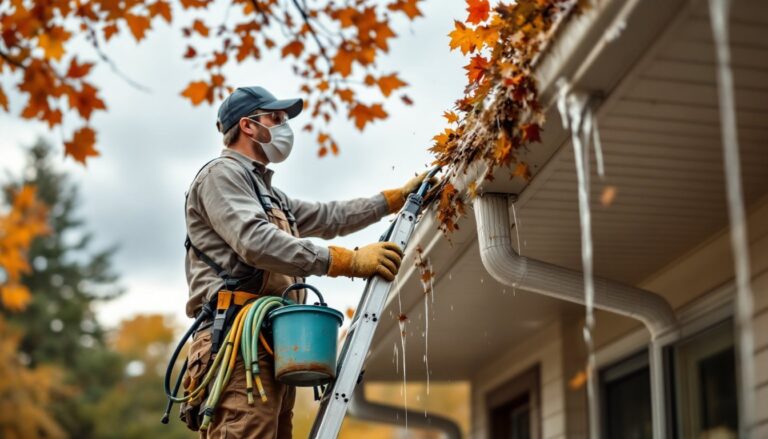
Climbing a ladder to clean gutters ranks high on the list of DIY tasks homeowners would rather avoid. Fall injuries from ladders are common and serious, thousands of people land in emergency rooms every year. The good news? You don’t need to take that risk anymore. A whole category of ground-level gutter cleaning solutions now exists, letting you maintain clean gutters safely from the comfort of your yard. Whether you’re dealing with seasonal debris buildup or routine maintenance, these tools and methods eliminate the need for height-related anxiety while delivering professional results.
Table of Contents
ToggleKey Takeaways
- Gutter cleaning tools without a ladder—such as cleaning wands, robots, and pressure washers—eliminate fall hazards while delivering professional results from ground level.
- Gutter cleaning wands are affordable ($50–$150), lightweight, and effective for moderate debris, though they require arm strength and work best with claw-style scoops rather than flat attachments.
- Automated gutter cleaning robots ($300–$1,000) are ideal for multi-story homes with heavy seasonal debris, but require setup patience and may not justify costs for single-story properties.
- Leaf blower attachments ($20–$80) are the cheapest option for dry, loose debris, but fail on wet or compacted leaves and require follow-up inspections to ensure debris doesn’t lodge in downspouts.
- Pressure washer systems clean gutters fast (30 minutes per system), handle both wet and dry debris, and remove accumulated granules and mold, but risk gutter damage if PSI exceeds safe levels.
- Professional ground-level gutter services ($150–$600 depending on home size) are worth the investment for homeowners over 60, those with mobility concerns, or anyone uncomfortable with heights.
Gutter Cleaning Wands And Telescoping Systems
Why Choose A Cleaning Wand Over Traditional Methods
Gutter cleaning wands are the workhorse of ground-level gutter maintenance. These tools feature a long, lightweight pole, typically 15 to 40 feet in length, with a curved scoop or claw attachment at the end. You control the scoop from the ground using a cable or trigger mechanism, allowing you to pull debris out of the gutter without climbing.
The appeal is straightforward: safety and accessibility. Most wands weigh between 2–5 pounds, making them manageable for extended use. The curved head fits standard 5.5-inch and 6-inch gutters (residential standard sizes), and the cable system gives you fine control over the scoop depth, preventing accidental gutter damage.
When choosing a wand, look for telescoping aluminum or fiberglass construction, these materials balance durability with light weight. Aluminum is cheaper but can dent: fiberglass costs more but won’t crack under normal use. Check that the cable housing is reinforced and the trigger mechanism feels smooth without lag. A claw-style scoop is more effective than a flat shovel attachment because it grips debris better.
One realistic caveat: wands require some arm strength and patience. Pulling out wet, compacted leaves takes effort, and you’ll be repeating the motion dozens of times. If you have limited mobility in your shoulders or upper arms, this method may tire you quickly. Also, wands work best on gutters with moderate debris buildup, heavy, dense piles (like wet leaves mixed with pine needles) slow you down considerably.
Budget $50–$150 for a mid-range wand with a durable cable system. Premium models with better triggers and lightweight materials can run $200+.
Roof Gutter Cleaning Robots And Automated Solutions
Gutter cleaning robots represent the cutting edge of hands-off maintenance. These small motorized devices crawl along your gutter, scoop up debris, and dump it into a collection bin or bag. Think of them as tiny, tracked vacuum cleaners for your roof.
How they work is clever: a robot launches from the ground on a rope or rail system, climbs into the gutter, and runs along the length of the system. Built-in sensors help it navigate, and spinning brushes or a conveyor scoop eject debris down to ground level via a chute. No climbing, minimal human effort, you mostly supervise from below.
The trade-off is cost and learning curve. Quality gutter robots start around $300–$500 and can exceed $1,000 for premium models. Setup takes patience: you’ll need to anchor the launch system, position the rope correctly, and ensure the robot’s sensors are clean. Some models struggle with steep roof pitches or gutters with heavy debris accumulation. Also, these robots aren’t ideal for single-story homes with short gutter runs, you’re paying a premium for convenience that might not justify the expense.
They shine if you have multi-story homes, long gutter systems, or gutters that accumulate heavy seasonal debris (pine needles, seed pods). Homeowners in regions with deciduous trees often find robots worth the investment because they reduce the frequency of manual cleaning and eliminate ladder hazards entirely.
Research models from reputable manufacturers and read user reviews specific to your home’s roof pitch and debris type. Some robots require a second person to operate safely, while others are genuinely one-person-friendly.
Leaf Blower Attachment Methods For Efficient Debris Removal
If you already own a leaf blower, gas, electric, or battery-powered, an attachment kit can transform it into a gutter cleaning tool. These kits consist of curved deflector nozzles and, sometimes, specialized wand extensions that direct the blower’s air upward and into the gutter.
The method is simple: you aim the blower upward at a shallow angle, letting air pressure dislodge loose leaves and small twigs. Debris blows downward and outward, collecting on the ground nearby where you can rake it. For light to moderate debris loads, this approach is fast and efficient. You’re already standing on the ground, and the tool does most of the work.
The catch is that this method is best for dry, loose debris only. Wet leaves, damp pine needles, and compacted sludge won’t budge, air can’t move what’s stuck. In spring and fall (peak gutter-cleaning seasons in most regions), debris is often damp, making a leaf blower less practical. You’ll need to clear gutters after a dry spell for this to work effectively.
Attachment kits range from $20–$80, making this one of the cheapest ground-level options if you already have a blower. The downside is that debris flies everywhere, and neighbors may object to the noise and scattered leaves. Also, your blower’s motor must have enough CFM (cubic feet per minute) to move gutter debris, weaker blowers won’t generate sufficient force.
For best results, pair this method with a follow-up inspection from the ground using binoculars or a phone camera, or combine it with downspout cleaning to ensure debris didn’t get lodged further down the system.
Pressure Washer Systems And Gutter Cleaners
Pressure washers fitted with specialized gutter cleaning nozzles are remarkably effective at dislodging stubborn debris and grime. These nozzles are designed to fit 2.5 to 3 GPM (gallons per minute) pressure washers at 2,500–3,500 PSI, with a curved wand that reaches into the gutter at a safe angle from ground level.
How it works: you angle the wand upward, trigger the spray, and let the force of water flush out leaves, twigs, and sediment. The debris washes down the gutter toward the downspout. Some systems include a collection bag or shield to contain splashing water and debris.
The advantages are significant. Pressure washing is fast, a full gutter system can be cleaned in 30 minutes. It handles wet and dry debris equally well, and you end up with genuinely clean gutters (not just cleared of loose leaves). If your gutters have accumulated granules from worn roof shingles or dark mold streaks, a pressure washer removes these in one pass.
There are real risks to manage, though. High-pressure water can damage vinyl and aluminum gutters if you use excessive PSI or hold the nozzle too close. You’re also spraying water and debris downward, which can splash onto siding, windows, and nearby planters. Hearing protection is necessary, pressure washers are loud. And if you don’t own a pressure washer, rental costs ($40–$100 per day) plus the specialized gutter nozzle add up quickly.
If you own a pressure washer or rent one for other yard projects, adding gutter cleaning to the task list makes sense. Otherwise, the cost-benefit analysis tips toward less expensive methods. Always test the pressure on a less visible gutter section first and keep the nozzle at least 12 inches from the gutter surface.
Professional Grade Gutter Maintenance Without Height Risk
For homeowners who want cleaning handled professionally but don’t want contractors on ladders either, hiring a service that uses ground-level equipment is a smart option. Many regional gutter cleaning companies now invest in wands, robots, or pressure washer systems, they market these as safer alternatives to traditional ladder work.
When vetting professionals, ask directly: “What tools do you use, and do your workers ever climb ladders?” A reputable ground-level service will explain their method clearly. Some combine wand work with drone inspections, giving you a video record of gutter condition. Others use pressure washers with proper deflection shields.
Expect to pay $150–$400 for a single-story home, $300–$600 for two stories, depending on your region, gutter length, and debris load. This isn’t cheap, but it eliminates your personal risk, saves time, and often includes a post-cleaning inspection. Many services also offer maintenance plans, annual or semi-annual cleanings billed at a discount, which can extend gutter life and prevent costly water damage.
The tradeoff is cost and scheduling. Professional services book up quickly during peak seasons (fall and spring). If you have unpredictable debris patterns or prefer hands-on control, self-service tools might suit you better. But for homeowners over 60, those with mobility issues, or anyone uncomfortable at height, professional ground-level service is worth the expense.
Check references and certifications: legitimate companies carry liability insurance and can provide proof. Avoid fly-by-night operations that pressure you into same-day bookings or quote prices over the phone without seeing your home.
Conclusion
Ground-level gutter cleaning tools have made ladder climbs optional, not mandatory. Wands offer affordability and control, robots provide automation at a premium, leaf blowers work fast on dry debris, pressure washers deliver deep cleaning, and professional services eliminate your involvement entirely. The best choice depends on your budget, physical ability, gutter condition, and how often debris accumulates. Start with what you have on hand, a leaf blower or budget-conscious cleaning approach, and upgrade to specialized tools if needed. Regular ground-level maintenance keeps your home safer and extends gutter lifespan without ever reaching for a ladder.