A clean apartment doesn’t happen by accident, it requires a realistic cleaning schedule that fits your life. Most people either obsess over every speck of dust or let their space spiral into chaos, because they haven’t mapped out a sustainable routine. The good news? A structured apartment cleaning schedule saves time, reduces stress, and keeps your home consistently livable without turning you into a cleaning fanatic. This guide breaks down which tasks matter daily, which rotate weekly, and what seasonal work keeps your place functioning properly for years to come.
Table of Contents
ToggleKey Takeaways
- A structured apartment cleaning schedule prevents clutter buildup by breaking tasks into daily, weekly, and monthly cycles rather than tackling everything at once.
- Daily habits like making your bed, washing dishes, and wiping counters take only 10–15 minutes but keep your space consistently livable and reduce stress.
- Rotating weekly deep-clean zones across different areas ensures professional-level attention without overwhelming any single day—Monday kitchen, Tuesday bathrooms, Wednesday living areas, and so on.
- Monthly maintenance tasks like cleaning inside appliances, descaling faucets, and moving furniture to clean behind it prevent small problems from becoming expensive repairs.
- Invest in quality tools like microfiber cloths, a good vacuum, and reusable mop pads to cut cleaning time in half and save money long-term.
- Adapt your apartment cleaning schedule to life changes—whether hosting guests, managing health issues, or caring for pets—so the routine serves your life rather than controlling it.
Why a Consistent Cleaning Schedule Matters
Without a plan, cleaning becomes either an emergency sprint or a nagging guilt trip. A consistent schedule prevents the buildup that turns a 15-minute task into a 3-hour nightmare. Think of it like vehicle maintenance: small regular touch-ups beat catastrophic repairs every time.
When tasks are assigned to specific days or cycles, you’re not trying to remember what you last cleaned or overthinking whether the bathroom needs attention. You show up, do the work, and move on. This predictability also means you can batch similar tasks, all your kitchen cleaning at once, all your floors on one day, which is more efficient than random spot-cleaning.
Research on household habits shows that consistent cleaning routines reduce allergen buildup, lower stress levels, and actually save money by extending the life of carpets, appliances, and fixtures. A regular schedule also makes it easier to delegate tasks to a roommate or family member, since everyone knows their role.
Daily Cleaning Tasks You Can’t Skip
Daily tasks are the minimum hygiene baseline. These take 10–15 minutes if you stay on top of them.
Make your bed. It’s not decoration: it’s habit-building. A made bed anchors a cleaner-looking bedroom and signals that the day is intentional.
Wash dishes or load the dishwasher immediately. Dried food is harder to clean and attracts pests. If you have a dishwasher, rinse and load as you go: run it when full. A sink full of dishes makes a kitchen look abandoned, even if the rest is tidy.
Wipe down kitchen counters and stovetop. Grease and spills harden fast. A quick damp cloth after cooking prevents buildup and keeps your prep space functional.
Clear visible clutter. Shoes, mail, dishes, and clothes belong in assigned spots. Spend 5 minutes clearing common surfaces, kitchen counter, coffee table, entryway, so your space doesn’t look chaotic.
One load of laundry. Wash, dry, and fold one cycle daily rather than facing a mountain on Sunday. This prevents the “clean clothes chair” from taking over your bedroom.
Quick bathroom wipe. After showering, squeegee the shower door or tub to prevent mold: wipe down the sink if you splashed water. Takes 30 seconds, prevents mildew.
Weekly Deep-Clean Zones to Rotate
Weekly deep-cleaning doesn’t mean scrubbing everything every week. Instead, rotate focus zones across the week. This keeps work manageable while ensuring every area gets thorough attention regularly.
Monday: Kitchen. Clean inside the microwave, wipe down cabinet fronts, scrub the stovetop thoroughly (not just wipe), and clean the sink with baking soda or a mild cleaner. Mop the kitchen floor.
Tuesday: Bathrooms. Scrub the toilet, tub, and shower walls with a bathroom cleaner. Clean the mirror, wipe baseboards, and mop. If you have two bathrooms, alternate them or do a quick clean of both and a deep clean of one.
Wednesday: Living and Dining Areas. Dust surfaces, wipe light switches, clean windows or glass doors, vacuum upholstered furniture, and mop or vacuum floors. This is the biggest visual zone, so it sets the tone for perceived cleanliness.
Thursday: Bedrooms. Change sheets, dust surfaces, wipe door handles, and vacuum under the bed. Residential Cleaning Made Easy guides can help streamline bedroom work.
Friday: Floors and Baseboards. Vacuum or sweep all hard floors, mop tile and wood, and wipe down baseboards throughout the apartment. This resets everything for the weekend.
Saturday and Sunday: Flexible. Use one of these days for tasks that ran long during the week or for seasonal work (see below). The other day is free.
Rotating zones means no single day is overwhelming, and every area still gets professional-level attention weekly.
Monthly and Seasonal Maintenance
Monthly tasks prevent small problems from becoming expensive ones. Pick one day each month, say, the first Saturday, to tackle these.
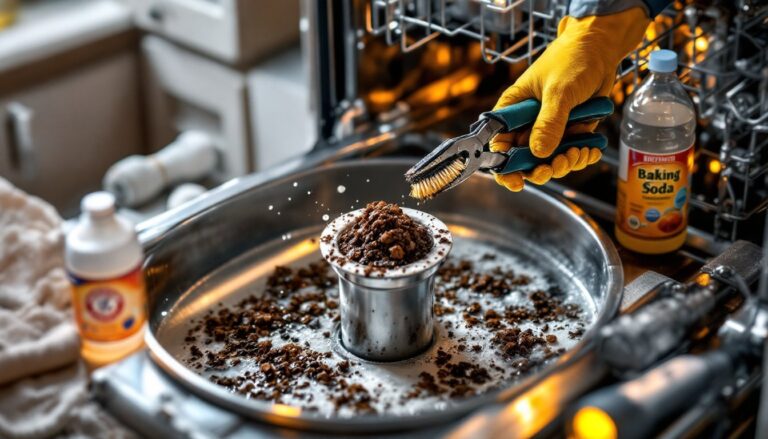
Clean inside appliances. Defrost and clean the refrigerator (check for expired items), clean the oven interior, and wipe down the dishwasher interior. These slow the deterioration of expensive equipment.
Wash windows and window sills. Dust and grime accumulate fast. Clean both sides if accessible, and wipe sills to prevent mold.
Deep-clean light fixtures. Dust ceiling fixtures, wipe down lamps, and clean ceiling corners where cobwebs hide. You’d be surprised how much dust collects here.
Wipe down walls and doors. Finger marks and scuffs accumulate, especially around light switches and doorknobs. A magic eraser handles most marks on painted walls without damaging finish.
Descale faucets and showerheads. Mineral buildup reduces water flow. Soak faucet aerators in white vinegar for 30 minutes, or fill a bag with vinegar and rubber-band it around the showerhead overnight.
Seasonal deep work. Every 3 months, move furniture and clean behind it, wash out trash cans, clean inside drawers, and wipe down baseboards thoroughly. Spring and fall are ideal times to wash or replace HVAC filters, clean out gutters (if applicable), and vacuum heating vents.
Cleaning on a Budget approaches show that maintaining appliances and fixtures monthly costs far less than emergency repairs later.
Tools and Products That Save Time
The right tools cut your time in half. You don’t need expensive gear, but buy quality for items you use constantly.
Microfiber cloths. They trap dust and require less water than cotton rags. Buy a pack of 10 in different colors (one color per zone to prevent cross-contamination). They last years and outperform paper towels by far.
A good vacuum. Spend the extra money here. Bagless upright vacuums work for most apartments: cordless stick vacuums are lighter and faster for quick daily pickups. Avoid the cheapest models, they clog easily and lose suction fast.
Microfiber mop system. Reusable microfiber mop pads (like those from Clorox or O-Cedar) beat disposable pads and are gentler on most floors. Wet, dry, or spray-mop systems all work: pick what suits your floor type.
All-purpose cleaner and a specialty cleaner. An all-purpose works for counters and general surfaces: add a bathroom cleaner (for soap scum and mold) and a degreaser for the kitchen. Multi-purpose bottles cut clutter and cost.
Toilet brush and plunger. Keep one in each bathroom. A brush with a caddy that drains is hygenic and practical.
Baking soda and white vinegar. These two items handle 80% of household jobs: deodorizing, scrubbing, descaling, and disinfecting. They cost pennies and won’t harm finishes. Real Simple recommends these budget-friendly staples for most cleaning tasks.
Caddies or carts. A small cart or caddy keeps supplies organized and portable. You carry everything to each room instead of making repeated trips.
Adjusting Your Schedule for Life Changes
Life happens. Sometimes your apartment is one zone during a renovation: sometimes you’re hosting guests: sometimes you’re dealing with a new pet or health issue. Your schedule should flex, not break.
If you’re living in construction chaos: Suspend weekly deep-cleaning of affected zones until work wraps. Focus daily cleaning on remaining usable areas and dust containment. Maid Cleaning Services can handle deep work when you’re too overwhelmed.
If guests are visiting: Shift your schedule forward so everything is fresh 1–2 days before arrival. Focus on visible zones: entryway, kitchen, bathroom, and guest bedroom. Tidy visible clutter aggressively even if deep cleaning takes a back seat.
If you’re working long hours or traveling: Consolidate daily tasks into 5 essentials (bed, dishes, counter, laundry, clutter), and hire a cleaner monthly instead of weekly, or swap deep-cleaning tasks with a roommate or friend.
If you have health issues or limited mobility: Prioritize the bathroom and kitchen (safety and sanitation). Consider a lightweight cordless vacuum and a cleaning service for heavy work like floors and windows.
If you adopt a pet: Vacuum at least twice weekly to manage hair, use enzyme cleaner for accidents, and wash pet bedding weekly. Daily litter box cleaning is non-negotiable for hygiene and smell. According to Good Housekeeping’s testing of pet-friendly cleaning products, enzyme-based cleaners outperform standard cleaners on organic stains.
The point: your schedule should serve your life, not the reverse. Adapt it, don’t abandon it.
Conclusion
A functional apartment cleaning schedule isn’t about perfection: it’s about sustainability. Daily habits prevent messes from piling up, weekly rotations handle depth without overwhelming any single day, and monthly tasks keep your place functioning for years. Tweak the schedule as your life changes, invest in a few quality tools, and stick to the routine long enough for it to become automatic. When cleaning becomes habit instead of crisis, you’ll actually enjoy your space.