
Leather furniture and accessories can feel like a slice of luxury in your home. But, neglecting their care can quickly lead to unsightly stains and that dreaded cracked appearance. Don’t panic. A leather cleaning kit is your best friend in preserving that chic, polished look. Imagine walking into your living room and feeling proud of those gleaming leather chairs instead of wishing they were hidden behind a pile of laundry. Who knew maintaining leather could become an enjoyable task? So roll up your sleeves because it’s time to jump into the world of leather care with this complete guide.
Understanding Leather Types
Not all leather is created equal. Understanding the various types can greatly affect how one cleans and maintains their leather goods.
Aniline Leather
This type is untreated and known for its luxurious feel and natural appearance. It smells wonderful and ages beautifully but is also susceptible to stains. Care must be exercised while cleaning.
Pigmented Leather
More durable due to a protective coating, pigmented leather is less likely to absorb liquids. While it is easier to clean, it doesn’t have that same desirable softness as aniline.
Suede and Nubuck
These are textured leathers that require special attention. Using the wrong cleaning product or method can ruin their appearance, so always check suitable cleaning options.
Bonded Leather
This is made from leftover leather scraps and a polyurethane coating. It’s more affordable but can be less durable. Specific care instructions are necessary to ensure longevity.
Why You Need a Leather Cleaning Kit
Leather can last for decades if well looked after. But, dirt, oil, and moisture can lead to decay over time. A leather cleaning kit is essential for several reasons:
- Protection from Damage: Regular cleaning prevents grime buildup, reducing the risk of cracking.
- Aesthetic Appeal: Clean leather looks better and enhances the overall aesthetics of your home.
- Longevity: Investing time in cleaning extends the life of the leather, making it more cost-effective.
- Health Benefits: Dust and allergens accumulate on dirty leather, making your living space unhealthy. Keeping it clean promotes a better environment.
Components of a Leather Cleaning Kit
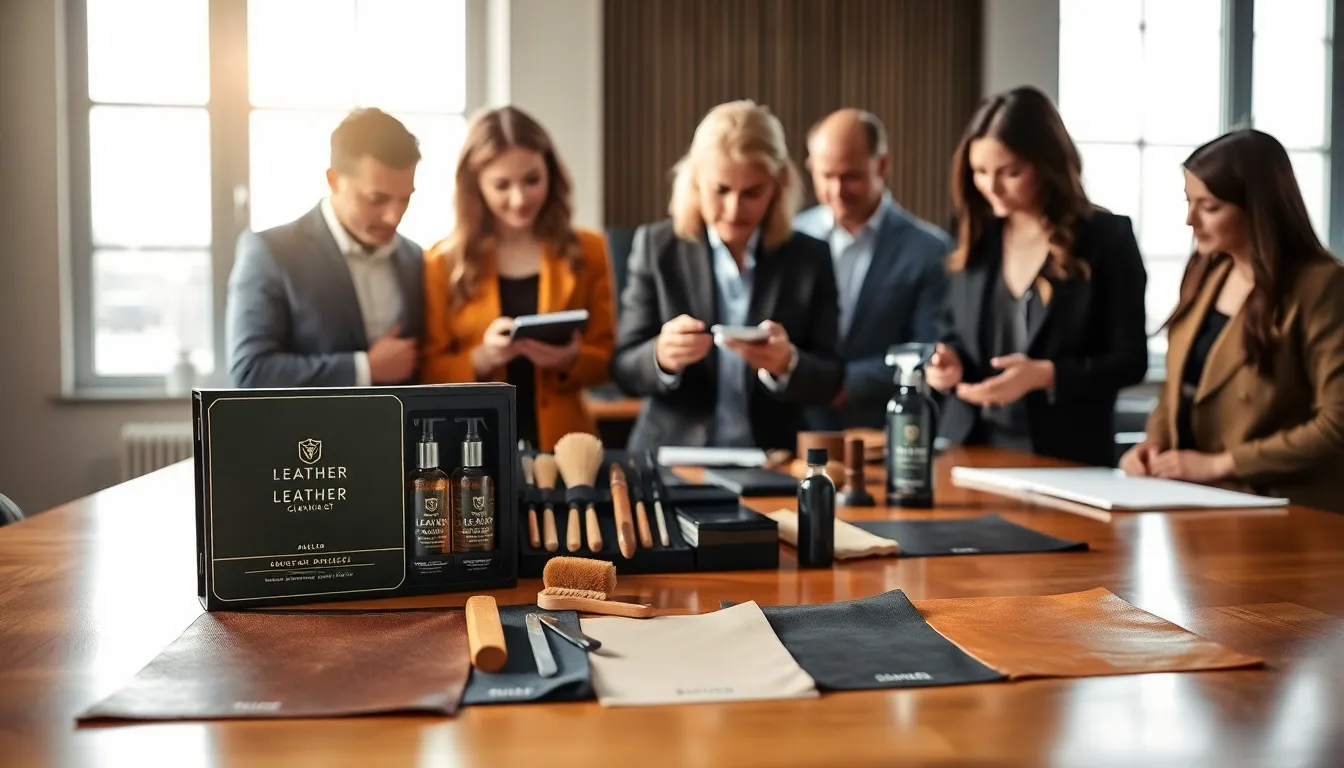
A good leather cleaning kit should contain several key items designed to tackle the particular needs of leather. Here’s what to look for:
Leather Cleaner
This is a specialized formula designed to gently clean without stripping the leather of its natural oils. Avoid using generic household cleaners that could cause damage.
Conditioner
Conditioning helps retain moisture in the leather, keeping it supple. Leather conditioners also extend the lifespan by protecting against wear.
Soft Cloths
Microfiber or cotton cloths are ideal for applying cleaners and conditioners without scratching the leather. Always keep a few on hand.
Brushes
Soft-bristled brushes can help remove dirt from textured surfaces without causing damage. They’re essential for suede or nubuck leather, ensuring thorough cleaning.
Protectant Spray
This optional but advantageous component helps provide a layer of protection against spills, stains, and ultraviolet rays.
How to Use a Leather Cleaning Kit
Using a leather cleaning kit is easy once you have the right tools. Follow these steps for effective cleaning:
- Preparation: Remove any loose dirt using a soft cloth. If the item is heavily soiled, use a brush for tough debris.
- Applying Leather Cleaner: Pump a small amount of cleaner onto a cloth and gently rub it over the leather surface in circular motions. Do not saturate the leather.
- Wipe Off Excess: After cleaning, use a dry cloth to remove any excess cleaner, preventing build-up.
- Conditioning: Apply a leather conditioner using a clean cloth to maintain suppleness. Allow it to sit as per the product instructions.
- Protecting: If available, use a protectant spray following the cleaning and conditioning to create a barrier against future stains.
Tips for Maintaining Leather After Cleaning
After cleaning leather, maintaining its pristine condition is crucial. Here are some practical tips:
- Regular Dusting: Use a soft cloth to dust off leather surfaces weekly to prevent grime accumulation.
- Avoid Direct Sunlight: Excessive sun exposure can fade leather colors and cause drying or cracking. Place leather items away from direct sunlight whenever possible.
- Address Spills Immediately: Whether it’s coffee or a spilled drink, cleaning it up right away can save you a lot of grief later.
- Use Coasters: For leather furniture, using coasters keeps moisture or heat from drinks at bay, extending the lifespan significantly.
Common Mistakes to Avoid When Cleaning Leather
Even seasoned leather enthusiasts can fall victim to common pitfalls. Here’s what to avoid:
- Using Water: Too much water can lead to mold and cause leather to stiffen. Instead, stick to leather-specific products.
- Forget Conditioning: Skipping the conditioner after cleaning can lead to dryness and loss of flexibility.
- Scrubbing Too Hard: Rubbing aggressively can cause scratches. Be gentle and use the right tools for the job.
- Overusing Products: Applying too much cleaner or conditioner can lead to buildup. Adhere to recommended amounts to keep leather looking its best.