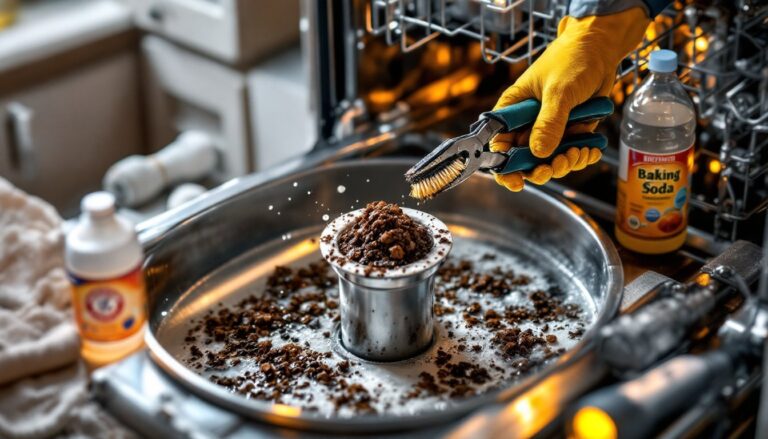
If your KitchenAid dishwasher isn’t cleaning dishes like it used to, don’t rush to call a repair tech just yet. Most cleaning issues stem from simple, fixable problems, clogged spray arms, a full filter, or incorrect detergent use. The good news is that many homeowners can diagnose and resolve KitchenAid dishwasher performance problems in under an hour using basic troubleshooting. This guide walks you through the most common culprits and practical solutions to get your dishwasher working at full capacity again.
Table of Contents
ToggleKey Takeaways
- When your KitchenAid dishwasher is not cleaning properly, start by checking and cleaning the spray arms, as clogged holes from food debris and mineral deposits are a primary culprit.
- Inspect and rinse both the upper and lower filters regularly—a clogged filter system prevents proper water drainage and is one of the most common causes of poor cleaning performance.
- Verify you’re using the right detergent for your water hardness level; excess soap creates residue buildup that actually blocks water jets and reduces cleaning power.
- Load your dishwasher correctly by spacing dishes at least one inch apart and tilting bowls downward—overloading prevents water from reaching all surfaces effectively.
- Run a monthly vinegar cleaning cycle to dissolve grease and mineral deposits inside the machine, which improves water flow and restores cleaning performance.
- If troubleshooting doesn’t resolve the issue, contact a professional technician to diagnose motor, valve, or structural problems that require specialized tools and parts replacement.
Check and Clean Your Spray Arms
The spray arms are your dishwasher’s workhorse. They rotate and direct pressurized water across every surface, and when they get clogged with food debris or mineral deposits, cleaning performance drops fast. Start by removing the lower spray arm, most KitchenAid models use a simple twist-and-pull motion at the base. Inspect the small holes along the arm’s length: food particles and hard water buildup often collect here.
Rinse the arm under warm running water, then use a straightened paperclip or wooden toothpick to carefully clear each hole. Don’t use anything sharp enough to damage the plastic. If you see stubborn white or cloudy deposits, soak the arm in equal parts white vinegar and warm water for 30 minutes, then repeat the toothpick technique. The upper spray arm (on some models) can be removed the same way. After cleaning both arms, reinstall them, making sure they spin freely without hitting the rack edges. Run a short rinse cycle to flush any loosened debris.
Inspect the Filter System
KitchenAid dishwashers use a two-part filter system: a fine mesh upper filter and a coarser lower filter basket. These trap food particles so they don’t recirculate during the wash cycle. When filters clog, water can’t drain properly and cleaning suffers.
Locate the filter assembly at the bottom of the tub. Pull the upper filter straight up, it slides out easily. Rinse it under running water and rub gently with a soft brush to remove trapped debris. Check the lower filter basket and give it the same treatment. If you see stubborn buildup or discoloration, soak both components in hot water with a dishwasher cleaning tablet for 15 minutes, then scrub with a soft brush. Reinstall the lower basket first (it fits into a groove), then slide the upper filter back down until it’s snug. A clogged filter is one of the most common causes of poor cleaning, replacing it should be your second troubleshooting step after checking spray arms.
Verify You’re Using the Right Detergent
Dishwasher detergent formulas matter more than you might think. KitchenAid machines work best with powders or liquids designed for modern, high-efficiency dishwashers. Pods, tablets, and gels all work, but they dissolve differently and may not dispense properly in older detergent dispensers. Hard water (high mineral content) also reduces detergent effectiveness, minerals bind to soap molecules and prevent them from breaking down grease.
Check your water hardness with an inexpensive test strip available at any hardware store. If your water reads above 120 ppm (parts per million), you may need to add a rinse aid or switch to a detergent formulated for hard water. Avoid overloading the detergent dispenser: more soap doesn’t mean cleaner dishes, excess detergent leaves residue and can damage the rinse aid dispenser. The buildup of soap scum actually blocks water jets and reduces cleaning power. If you’ve switched detergents recently, try reverting to the brand your dishwasher performed best with. Some homeowners find that Good Housekeeping’s guides on dishwasher maintenance include detergent recommendations for specific water conditions.
Load Your Dishwasher Correctly
How you arrange dishes inside the machine is just as important as detergent choice. Water jets need clear paths to reach every surface. If dishes are packed tightly or face the wrong direction, some items won’t get the full spray treatment.
Proper Spacing and Placement
Place plates vertically in the lower rack, angled slightly toward the center where water pressure is strongest. Bowls and glasses go in the upper rack, tilted downward so water drains out rather than pooling inside them. Pots, pans, and cutting boards should lean against the sides or rest flat, never stack them over the spray arms. Leave at least one inch between items so water can circulate freely. Avoid placing tall items directly above the lower spray arm’s path. Utensil baskets go in the far corners away from water jets so they don’t block spray patterns.
One common mistake: overloading. A full rack isn’t the same as a cramped rack. If you can’t slide your hand between items without touching dishes, there’s not enough room for water to reach them effectively. Modern KitchenAid models are designed for standard commercial-grade racks, which means about 12–14 place settings. Less is actually more when it comes to cleaning performance. Reorganizing your load often solves poor cleaning better than any chemical intervention.
Run a Cleaning Cycle with Vinegar
Over time, grease, soap scum, and mineral deposits build up inside the dishwasher walls and drainage system, reducing water flow and cleaning power. A vinegar rinse cycle dissolves these deposits and deodorizes the machine.
Place a heat-safe bowl filled with white vinegar (about 2 cups) on the upper rack. Run a hot water cycle, don’t add dishes or detergent. The vinegar releases during the wash and circulates through the spray arms, filter, and drain. This natural cleaning method works without harsh chemicals and costs just a few dollars. For stubborn buildup, run the vinegar cycle twice monthly or quarterly, depending on your water hardness and usage. If vinegar alone doesn’t restore performance after a few applications, a commercial dishwasher cleaner (such as those made for Affresh or Finish) can provide a deeper clean. These tablets dissolve during a dedicated cycle and are formulated to break down the specific residue that builds up in modern machines. Follow product instructions carefully to avoid over-filling or damaging internal components.
When to Call a Professional
If you’ve worked through all six fixes and your KitchenAid dishwasher still isn’t cleaning properly, it’s time to contact a service technician. Some problems can’t be fixed without professional tools: a faulty spray arm motor won’t spin regardless of how clean the arms are, a cracked or warped upper rack won’t load dishes correctly, and a broken water inlet valve restricts flow in ways that detergent or vinegar can’t address.
Before scheduling service, document what you’ve already tried. A technician will charge less for a diagnosis if you’ve already confirmed the spray arms, filters, and detergent aren’t the issue. Many KitchenAid models carry manufacturer warranties or service plans that cover repairs at no cost if the machine is less than a few years old, check your documentation. If your machine is older and the repair cost exceeds half the replacement price, replacement may be more practical. For routine maintenance checklists and guidance on when professional help is warranted, Today’s Homeowner provides seasonal repair guides that outline common appliance issues and DIY vs. professional thresholds. The key is knowing the limits of troubleshooting so you don’t waste time on a machine that needs parts replacement.