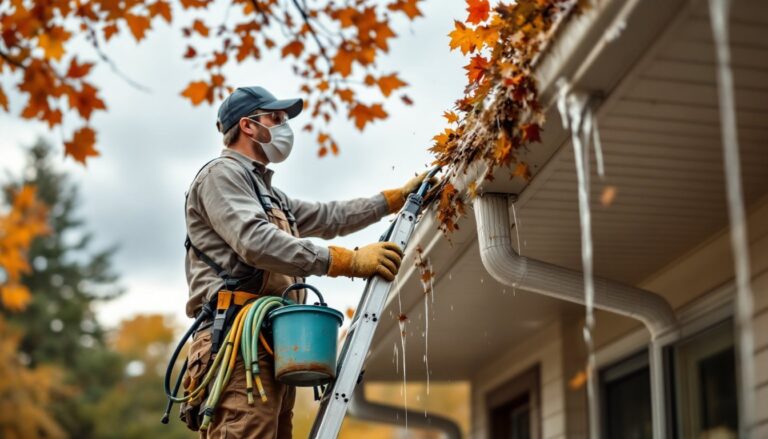
Tacoma’s wet climate is hard on gutters. Between the fall leaf drop and winter rains, your gutters can clog fast, and a clogged gutter leads to water pooling, foundation damage, and rotted fascia boards. Gutter cleaning isn’t glamorous work, but it’s one of the highest-ROI maintenance tasks a homeowner can tackle. This guide walks you through why regular gutter cleaning matters in Tacoma’s specific climate, how to spot problems early, and whether you should DIY or hire a pro. Let’s keep your home dry and your foundation solid.
Table of Contents
ToggleKey Takeaways
- Gutter cleaning in Tacoma is essential due to 37 inches of annual rainfall and heavy fall leaf debris that can clog gutters and cause foundation damage, water pooling, and mold growth.
- Watch for red flags like visible debris overflow, sagging gutters, water pooling at the foundation, and gurgling sounds to determine when your gutters need cleaning.
- DIY gutter cleaning requires proper safety equipment (extension ladder, stabilizer bar, work gloves, safety glasses) and a systematic approach: scoop debris, flush toward downspouts, and inspect for damage.
- Professional gutter cleaning services in Tacoma typically cost $150–$300 for single-story homes and $250–$500 for two-story homes, with added costs for repairs or gutter protection systems.
- Prevent gutter problems year-round by trimming overhead branches, installing leaf guards, ensuring proper slope toward downspouts, and scheduling routine spring and fall inspections.
Why Regular Gutter Cleaning Matters in Tacoma
Tacoma gets roughly 37 inches of annual rainfall, with most of it falling between October and March. That’s not record-breaking, but the consistency matters. Gutters filled with leaves, twigs, and silt can’t drain water properly. When water backs up and spills behind the gutter, it runs down the fascia board and into the wall cavity. Over time, that moisture rots framing lumber, promotes mold growth, and compromises your home’s structural integrity.
Beyond the foundation, overflowing gutters create landscaping problems. Water cascading off a clogged gutter erodes soil around the foundation, washes out mulch beds, and can undermine walkways. Homeowners who skip gutter maintenance often end up paying thousands in foundation repairs or siding replacement. A seasonal cleaning takes a few hours and costs far less than water damage remediation.
Tacoma’s fall is particularly brutal for gutters. Deciduous trees shed leaves steadily from September through November, and evergreens drop needles year-round. If you live under trees, you may need cleaning twice a season instead of once. Even without trees directly overhead, wind carries debris from neighboring yards.
Signs Your Gutters Need Cleaning
You don’t need to climb a ladder every month to check. Watch for these red flags.
Visible debris is the obvious one: leaves, twigs, moss, or silt heaped in the gutter. Water overflow during rain is a strong indicator, if water spills over the front of the gutter instead of flowing toward the downspout, the channel is blocked. Sagging gutters suggest debris weight is pulling the system down: this also indicates fasteners may be loose or rotted.
Look at your downspouts. Water pooling at the foundation after rain, or water that doesn’t run away from the house, tells you water isn’t draining properly. Peer into the gutter from the ground if you can safely do so. Dark staining or algae growth is common in Tacoma’s damp climate but doesn’t always mean immediate danger: but, thick moss buildup holds moisture and accelerates gutter deterioration.
Go outside during a moderate rain and listen. A clogged gutter sometimes produces a quiet gurgle or splashing sound different from normal flow. If you notice water dripping from soffit vents or water stains on exterior walls below the gutter line, your system is likely backing up.
How to Safely Clean Your Gutters Yourself
DIY gutter cleaning is manageable for most homeowners, but it demands respect for ladder safety and an honest assessment of your physical comfort at height. If you have significant mobility issues, severe fear of heights, or a roof pitch steeper than 8:12, hire a professional.
Tools and Materials You’ll Need
- 20-foot or 24-foot extension ladder (aluminum is standard: avoid fiberglass if you’re near power lines)
- Ladder stabilizer bar (braces the ladder against the fascia, preventing damage and improving stability)
- Work gloves rated for thorough grip (nitrile alone won’t cut it: leather-palmed work gloves are better)
- Safety glasses or goggles to protect from debris spray
- Dust mask or respirator if you suspect mold or pest droppings in the gutter
- Small plastic scoop or gutter-cleaning tool (a old plastic milk jug works in a pinch)
- 5-gallon bucket attached to the ladder with a rope or carabiner (keeps hands free)
- Garden hose with a spray nozzle for final rinse
Step-by-Step Cleaning Process
-
Set up safely. Place the ladder on level, firm ground. Use the stabilizer bar to brace it against the fascia. Wear safety glasses and work gloves. Never lean more than an arm’s length to either side, reposition the ladder instead. A helper holding the base is a smart move, especially on taller sections.
-
Scoop out the bulk debris. Start at the high point (often near where a downspout connects) and work systematically along the gutter. Use the scoop or tool to pull leaves, twigs, and silt into your bucket. Don’t overthink it: you’re clearing the large blockages. Drop the bucket debris into a yard waste bin, don’t throw it on the ground.
-
Flush toward the downspout. Once the loose debris is out, spray water from your hose along the gutter channel toward the downspout. This dislodges finer silt and verifies that water flows freely. If water doesn’t move, the downspout is likely clogged. You may need to flush it separately or detach it at the base to clear the blockage.
-
Check downspout clearance. Stubborn clogs often live in downspouts. If water backs up, try running a plumbing snake down the downspout or use a high-pressure nozzle to blast water upward from the ground outlet. Avoid excessive pressure that could bend aluminum gutters.
-
Inspect for damage. While you’re up there, look for separation from the fascia, sagging sections, rust spots on steel gutters, or cracks in vinyl gutters. Minor gaps can be resealed with gutter caulk, but widespread damage signals replacement time.
-
Plan your timing. In Tacoma, fall cleaning (mid-November, after most leaves drop) is essential. A spring check in April is wise to catch winter debris. If you live under dense trees, add a late-summer pass.
Professional Gutter Cleaning Services in Tacoma
Not everyone wants to climb a ladder. If your home sits on a steep lot, you have multiple stories, or your gutters are aluminum and age-brittle, professional cleaning is the smarter choice.
Tacoma has a solid roster of gutter specialists. When comparing options, ask about their approach to debris disposal, guarantees against clogging (within a set period), and whether they’ll inspect for damage. Many local providers use gutter guards or covers as an upsell: these reduce cleaning frequency but aren’t foolproof and add cost. Detailed home maintenance checklists from reputable resources can help you understand what to expect from a pro visit.
Cost varies. Basic cleaning for a single-story home typically runs $150–$300: two-story homes often cost $250–$500. Top-rated gutter cleaning professionals in Tacoma include firms with verified customer reviews. High-quality gutter protection systems and repairs push the estimate higher but may save money long-term if your property is heavily treed. Always get written quotes and check references. Avoid paying upfront in cash: reputable companies invoice after work is complete.
Some homeowners negotiate package deals: a full inspection, cleaning, and minor repairs bundled for a fixed rate. This protects your investment and ensures a thorough job.
Preventing Gutter Problems Year-Round
Cleaning is reactive. Prevention is proactive.
Trim trees overhanging your roof ruthlessly. Branches that hang over the gutter, or within 6 feet of it, shed leaves and twigs directly into the system. A professional arborist is worth the cost if the job involves climbing or large branches. Even light trimming in autumn pays dividends.
Install leaf guards or strainers. A simple fine-mesh screen that covers the gutter opening costs $5–$15 per 10 feet and blocks most debris while allowing water through. They don’t stop all muck but reduce the frequency of full clogs. For serious foliage buildup, solid gutter covers or helmet-style systems exist: they’re pricier ($10–$25 per foot) but nearly eliminate cleaning frequency.
Ensure proper slope. Gutters should pitch slightly toward downspouts (roughly 1/8 inch per 10 feet). If a gutter sags or runs level, water pools and sediment settles. If you notice pooling after rain, a professional can re-pitch the system.
Keep downspouts clear and directed away from the foundation. Extend downspout discharge 4–6 feet out or into a subsurface drain system. Don’t let water dump against the house, that defeats the entire purpose. Home improvement cost guides and seasonal repair advice can help you budget for drainage upgrades if needed.
Schedule routine inspections. Twice yearly (spring and fall) is ideal for Tacoma. Walk the perimeter, peer into gutters from the ground, and check for standing water or visible debris. Catching problems early prevents costlier repairs.
Tacoma’s damp climate also favors moss and algae growth in gutters. If you notice heavy moss, a mix of water and a small amount of bleach (roughly 1 part bleach to 10 parts water) can inhibit regrowth, though this is a supplementary measure, not a cure-all. Always wear gloves and eye protection when applying cleaners at height.