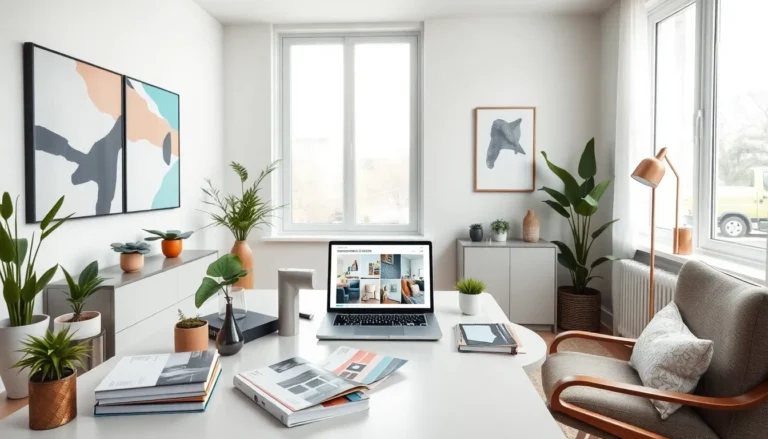
Imagine walking into a room and instantly knowing how to make it perfect. That’s what studying at an interior design university can do for you. It’s not just about throwing some pillows on a couch and calling it a day. It’s a vibrant blend of creativity and technical know-how. Whether you’re looking to redesign an office or transform a cozy home, this field offers endless possibilities. Sounds appealing, right? Let’s jump into the intriguing realm of interior design education.
Overview of Interior Design Education

Interior design education is essential for anyone wanting to break into the field. These programs combine art, architecture, and functionality to create spaces that are not only visually appealing but also practical. A degree in interior design is more than just aesthetic: it’s deeply rooted in understanding human behavior spaces. With foundational courses covering drawings, color theory, and spatial arrangements, students begin to grasp how to blend design principles with client needs.
Typically, interior design programs emphasize critical thinking and problem-solving skills. This education prepares graduates to navigate the complexities of real-world projects, working alongside architects, builders, and clients to bring visions to life.
Types of Interior Design Programs
When it comes to interior design programs, one size definitely doesn’t fit all. From associate degrees to bachelor’s and even master’s programs, students have a range of options.
- Associate Degree Programs: Usually taking about two years to complete, these programs offer foundational knowledge and skills. Ideal for those looking to quickly enter the workforce, they often cover the basics of color theory, design history, and drafting.
- Bachelor’s Degree Programs: A more comprehensive option, this typically four-year program dives much deeper. Students explore advanced design techniques, building codes, and project management.
- Master’s Programs: For those wanting to specialize or advance their careers, pursuing a master’s degree is worth considering. Programs may focus on advanced design theories, technology integration such as CAD, and sustainable practices in design.
- Online Programs: Increasingly popular, many reputable universities now offer online degrees. This option provides the flexibility to learn at your own pace, making it easier for working professionals to gain credentials without sacrificing their jobs.
Key Skills Learned in Interior Design Programs
Students at interior design universities gain a wealth of skills essential for success in the field. Here are some of the key competencies they develop:
- Creativity: At the heart of interior design, creativity drives every project. Students learn to think outside the box while adhering to structural guidelines.
- Technical Skills: Proficiency with software tools like AutoCAD and SketchUp is crucial. Students learn to create detailed renderings and plans that help visualize finished projects.
- Rich Knowledge of Materials: Understanding fabrics, textures, colors, and furniture design equips students to make informed choices in their work.
- Problem-Solving Abilities: Design challenges frequently arise, whether it’s a tricky layout or budget constraints. Graduates learn to tackle issues with efficient, effective solutions.
- Communication Skills: Interior designers must communicate ideas with clients, contractors, and colleagues effectively. Strong written and verbal communication skills are essential.
Career Opportunities in Interior Design
Graduates of interior design programs have numerous career paths available to them. Some of the most common include:
- Residential Interior Designer: Focusing on homes, these designers enhance living spaces to reflect the occupants’ tastes and lifestyles.
- Commercial Interior Designer: This role includes designing workplaces, retail spaces, hotels, and more. It often involves a different set of needs and constraints, such as branding and functionality.
- Lighting Designer: Specializing in creating innovative lighting solutions, lighting designers assess how illumination affects mood, functionality, and aesthetics.
- Sustainable Design Consultant: With a push towards eco-friendly practices, many designers now focus on sustainable design, helping clients make green choices.
- Exhibition Design: This involves creating layouts for shows and exhibitions, ensuring the presentation is visually appealing and informative.
Plus, many interior designers choose to work independently or start their own firms, allowing for greater creative freedom.
How to Choose the Right Interior Design University
Selecting the right interior design university can be a challenging job. Here are some tips to navigate the decision:
- Accreditation: Look for programs accredited by a reputable organization, such as the Council for Interior Design Accreditation (CIDA). This ensures the quality of education meets professional standards.
- Curriculum: Examine course offerings. Does it cover the areas of interest? Ensure it includes both technical skills and creative development.
- Facilities and Resources: A well-equipped workshop and access to design software can enhance practical learning experiences.
- Internship Opportunities: Programs that offer internship placements provide invaluable real-world experience and networking opportunities.
- Alumni Success: Research the success of program graduates. High employment rates and notable alumni contributions can offer insights into the program’s effectiveness.
The Future of Interior Design Education
The future of interior design education is evolving rapidly, influenced by changes in technology and societal needs. As sustainability becomes paramount, new programs will likely include more focus on eco-friendly practices and materials.
Emerging technologies also play a critical role. Virtual reality (VR) and augmented reality (AR) are changing how spaces are visualized and designed. Students may soon use these tools to present concepts in immersive ways, allowing clients to experience a space before it’s built.
Also, the trend toward online learning will likely continue, enabling more students to access quality design education regardless of location.
Adaptability and innovation will be crucial for interior design universities to stay ahead in an ever-changing field.