A slow drain is one of those household annoyances that creeps up on you, water backing up in the shower, a sink that gurgles when you run the washing machine, or a kitchen drain that moves like molasses. For Andover homeowners, drain clogs are inevitable. The good news? Many aren’t catastrophic, and you’ve got options before you call in a professional. This guide walks you through identifying what’s clogging your drain, tackling common clogs yourself, and knowing when drain cleaning in Andover requires expert hands. We’ll cover practical methods, preventive tactics, and honest guidance on what’s worth DIY and what isn’t.
Table of Contents
ToggleKey Takeaways
- Most drain clogs in Andover can be tackled with simple DIY methods like plungers and drain snakes before calling a professional plumber.
- Hair, grease, and hard water buildup are the primary culprits behind drain clogs, but mainline issues, sewage smells, and persistent gurgling always require professional drain cleaning in Andover.
- Natural solutions like baking soda and vinegar work effectively for slow drains, while boiling water prevents grease buildup at a fraction of the cost of commercial drain cleaners.
- Installing mesh strainers in bathroom and kitchen drains and running hot water weekly prevents most clogs and saves money on professional service calls.
- Professional drain cleaning services with motorized augers and camera inspection typically cost $150–$400 and are essential for structural issues, multiple-fixture backups, or recurring clogs.
Why Drain Clogs Happen and When to Call a Professional
Drain clogs form for predictable reasons. Hair combines with soap residue in bathroom drains, creating a tangled mat that traps debris. Kitchen drains collect grease, food particles, and mineral buildup from hard water. Older homes in Andover sometimes have cast iron pipes that rust internally, leaving rough spots where material catches. Tree roots crack sewer lines and grow into them, pulling surrounding soil and creating blockages deeper in your system.
Not every clog is a DIY job. If water backs up into multiple fixtures at once, sink, toilet, and shower all draining slowly, you’ve got a mainline issue, and that needs a professional with a camera and heavy equipment. If you’ve already plunged or snaked and nothing budged, or if you smell raw sewage, stop and call someone. The same goes for gurgling sounds that persist, which often signal a vent stack issue or deeper blockage. In those cases, you’re looking at a potential excavation, and attempting it yourself can damage your main line.
DIY Drain Cleaning Methods That Work
Using a Plunger and Drain Snake
Start with what you’ve got: a cup plunger (not a flange plunger, which is for toilets). Fill the sink or tub with enough water to cover the plunger cup, block the overflow hole with a wet rag if there is one, and plunge vigorously for 15-20 seconds. The goal is to dislodge the clog with pressure and suction. This works best for clogs near the drain opening, usually hair and soap in bathrooms.
If plunging fails, rent or buy a manual drain snake (also called an auger). A 25-foot snake costs $15-$30 to rent and works for kitchen and bathroom drains up to about 3 inches in diameter. Feed it slowly into the drain while turning the handle: when it hits resistance, crank harder or back off and push forward again. You’re aiming to break apart the clog or hook hair out. Pull the snake back slowly, and you’ll likely see a gob of hair and debris come out with it. Run hot water afterward to flush loose material.
For toilet clogs, use a toilet auger (different from a regular snake, it has a curved sleeve to protect the porcelain). Again, these rent affordably and work for clogs caused by excess paper or an object someone shouldn’t have flushed.
Natural Cleaning Solutions for Slow Drains
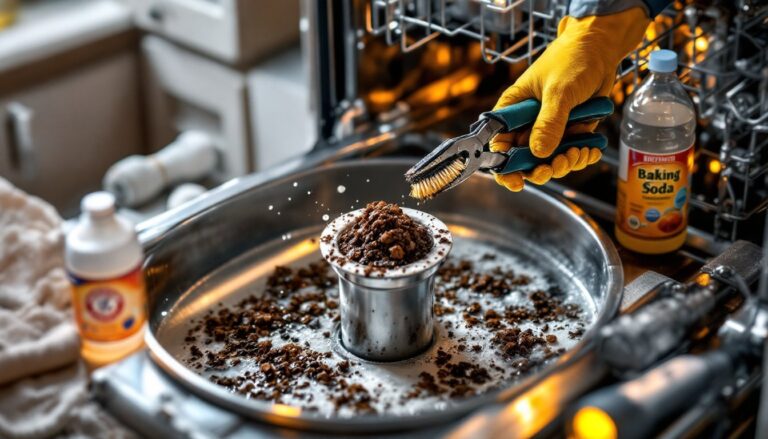
For slow drains without a total blockage, a baking soda and vinegar treatment often works. Pour 1/2 cup of baking soda down the drain, followed by 1 cup of white vinegar. Cover the drain with a plug or rag for 15-30 minutes to trap the fizzy reaction inside the pipe. Then flush with boiling water. This breaks apart soft buildup and deodorizes the drain. It won’t clear a full blockage, but it’s cheap and safe for old pipes that can’t handle caustic cleaners.
Avoid commercial drain cleaners, they’re corrosive, hazardous to handle (wear gloves and eye protection), and often ineffective on stubborn clogs. If you do use one, follow the label carefully and never mix products. Boiling water alone works surprisingly well for grease clogs in kitchen sinks, especially if you repeat it weekly. Pour a kettle of water down the drain slowly, giving the grease time to soften and move. This doesn’t cost anything and won’t damage pipes.
Preventive Maintenance to Avoid Future Clogs
Prevention beats unclogging any day. In bathroom drains, install a hair catch strainer, a small mesh screen that costs a few dollars and prevents most clogs before they start. Check it weekly and clear out the hair. Kitchen drains need a strainer too, and don’t dump grease down them. Instead, pour hot grease into a can or jar, let it cool and solidify, then trash it.
Run hot water through drains regularly, once a week at minimum. For kitchen sinks, run it while the disposal is on or just let it flow for 20-30 seconds to keep pipes clear. Schedule a baking soda and vinegar flush monthly on slow drains. If you’re on a septic system, avoid pouring caustic chemicals or flushing anything beyond toilet paper and human waste: bacteria in the tank break down solids, and harsh chemicals kill that bacteria.
If you live in an older Andover home with cast iron or galvanized steel pipes, consider having a professional camera inspection done every 3-5 years. Early detection of rust, cracks, or root intrusion can save thousands in emergency repairs. Many services now offer this at reasonable rates, and tools like those from HomeAdvisor help homeowners find local contractors and understand typical costs.
When to Hire Professional Drain Cleaning Services in Andover
Hiring a professional drain cleaning service makes sense when DIY methods fail, when clogs are frequent, or when you suspect a deeper issue. Licensed plumbers have motorized drain augers that can clear larger diameter lines and handle tougher blockages. They also have high-pressure water jets that scour pipe walls and remove buildup that a hand snake can’t reach. They can camera-inspect your line to identify roots, cracks, or collapsed sections.
For Andover homeowners, getting multiple quotes is smart. Drain cleaning runs $150-$400 depending on the clog location and severity. Mainline cleaning or root removal costs more and might require excavation. Read reviews, services like Elite Drains LLC Reviews show what to expect, and confirm the company is licensed and insured. When they quote a price, ask if it includes a camera inspection or if that’s extra.
Frequent clogs in the same drain suggest a structural problem: a partial collapse, misaligned joint, or persistent root invasion. One-off clogs you can often handle yourself, but if you’re calling a plumber twice a year, something else is going on. A professional inspection pinpoints the root cause and lets you decide whether it’s worth repairing now or monitoring. You might also check resources like Family Handyman for common plumbing fixes and understand what’s realistic for DIY versus what requires a licensed pro.
Conclusion
Most drain clogs in Andover are preventable and manageable with a plunger, a drain snake, and basic maintenance. Start simple, don’t force things, and know your limits, structural clogs, multiple-fixture backups, and foul odors are professional territory. Invest a few dollars in strainers and run hot water weekly, and you’ll dodge most problems. When you do need help, get quotes and read reviews to find a reliable service that fits your budget and gives you peace of mind.