A slow drain is one of those problems that nags at you. Water pools around your feet in the shower, the kitchen sink gurgles ominously, or the basement floor drain backs up after rain. In Pittsburgh, where older homes with cast-iron piping sit alongside newer construction, drain issues are as common as potholes. The good news: not every clog needs a service call. Some jobs you can tackle with tools you likely already own. Others demand professional help, and knowing the difference saves time, money, and frustration. This guide walks you through what causes Pittsburgh drains to fail, which DIY fixes actually work, and when it’s time to call in a licensed plumber.
Table of Contents
ToggleKey Takeaways
- Drain cleaning in Pittsburgh presents unique challenges due to older cast-iron pipes that corrode easily, making professional inspection crucial for homes built before the 1970s.
- Baking soda and white vinegar are safe, effective DIY methods for slow drains and routine maintenance, working best on fresh grease and hair buildup without damaging any drain type.
- A plunger can quickly resolve shallow clogs in sinks and tubs, but only when water drains slowly—complete blockages indicate deeper problems requiring professional tools or video inspection.
- Multiple slow drains, sewage odors, or recurring clogs signal main line issues or structural damage that demand licensed plumber intervention to prevent costly damage.
- Pittsburgh plumbers typically charge $150–$300 for service calls and diagnostics, with professional drain cleaning costing $200–$1,000 depending on severity and scope of the problem.
Common Drain Problems Pittsburgh Homeowners Face
Pittsburgh’s unique geography and older housing stock create specific drainage challenges. Many homes built before the 1970s use cast-iron drain lines that corrode from the inside, creating rough spots where hair, grease, and debris catch. Roots also find their way into clay or older PVC pipes, especially in neighborhoods with mature trees, a serious problem that requires professional attention.
Grease buildup is the silent killer in Pittsburgh kitchens. When you pour cooking oil down the drain, it solidifies as it cools, coating the pipe walls. Over time, it traps hair, soap, and food particles. The problem compounds because Pittsburgh’s water tends to be harder in some areas, which accelerates mineral deposits.
Hair clogs are almost universal. Bathroom drains accumulate strands that wrap around debris traps or catch on corrosion in older pipes. In homes with cast-iron lines, even routine hair shedding can become problematic because the rough interior surface holds everything. Seasonal issues also hit Pittsburgh households: fall leaves clog exterior drains, and winter freeze-thaw cycles can shift pipes or cause blockages.
DIY Drain Cleaning Methods That Actually Work
Before you assume you need professional help, try these proven techniques. Success depends on honest assessment: if water drains slowly, DIY methods work. If water doesn’t drain at all or backs up, you likely have a deeper clog or structural issue, move to the professional section.
Using Hot Water and Baking Soda
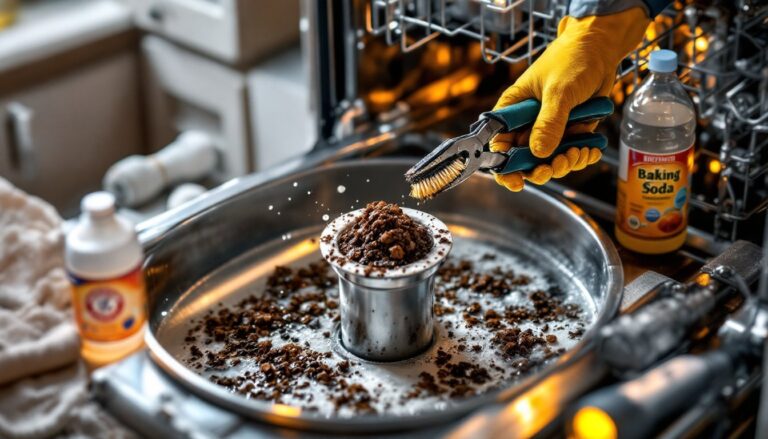
This method works best on fresh buildup, not established blockages. Remove standing water from the drain using a cup or wet/dry shop vacuum. Pour 1/2 cup of baking soda directly down the drain, followed immediately by 1 cup of white vinegar (distilled, about 5% acidity). The chemical reaction fizzes, that’s your signal it’s working. Cover the drain opening with a plug or wet cloth to keep the action inside the pipe, not bubbling up at you.
Let it sit for 15–30 minutes. Pour boiling water (careful, don’t splash) down the drain to flush loosened debris. For slow drains, repeat this process once a week as preventive maintenance. This approach works on grease-and-hair combinations because vinegar cuts grease while the abrasive baking soda helps scrub the pipe walls. It’s safe for all drain types, including older cast-iron lines, and won’t damage P-traps or rubber seals.
Pro tip: If you have a garbage disposal, run cold water through it before and after baking soda treatment. Never put baking soda directly into a disposal, it’s meant for the drain itself.
Plunger Techniques for Quick Fixes
A standard cup-style plunger (not a flange plunger meant for toilets) works wonders on sink and tub drains. Fill the sink or tub with 3–4 inches of water to create a seal. Place the plunger cup completely over the drain opening and push down and pull up vigorously, 15–20 times, maintaining the seal. The suction action dislodges debris caught near the drain opening.
For double sinks, block the overflow hole or second drain with a wet cloth. This prevents air from breaking the seal and reduces your plunging effectiveness. If the first side doesn’t work, try the other drain, sometimes the clog is in the shared trap.
Tub drains are trickier because they often have a pop-up stopper assembly. Remove the stopper by twisting counterclockwise (or unscrew the cap, depending on the model). Clean any hair wrapped around the rod, then plunge as usual. Standing water shouldn’t look murky or smell, if it does, the clog is deeper, and you’ll need a drain snake or professional help.
Plunging works on hair clogs and shallow grease buildup but fails on root intrusions or solid obstructions inside the pipe. It’s your first line of defense and costs nothing if you already own a plunger.
When To Call A Professional Drain Cleaner
Several red flags signal that a clog is beyond DIY reach. If water completely stops draining, or worse, backs up into other fixtures, you have a clog at or past the main trap. If plunging and baking soda don’t produce results within two attempts, trying again wastes time.
Multiple slow drains throughout the house suggest a problem in the main line, not a single fixture. Sewage smell anywhere indoors is serious: it means water and waste aren’t flowing properly, and the situation will only get worse. Recurring clogs in the same drain every month or two point to a structural issue: roots in the line, sagging pipe sections, or severe corrosion inside cast-iron pipes.
Since Pittsburgh has older housing stock, cast-iron drain lines corroded from the inside require professional video inspection and likely replacement. Roots entering pipes through cracks also demand professional removal and repair, you can’t DIY this safely or legally without proper licensing. Basement drains backing up during heavy rain suggest sump pump failure or a clogged perimeter drain system, both of which need licensed attention.
Pittburgh plumbers typically charge between $150–$300 for a service call plus diagnostics, and $200–$500 for snake work on a single drain. Main line cleaning runs $300–$1,000 depending on severity. Video inspection adds $100–$300 but saves money by confirming the exact problem before costly repairs. Many local plumbers offer cheapest drain cleaning options for straightforward jobs, and HomeAdvisor helps you get quotes from multiple licensed contractors.
When selecting a professional, verify they’re licensed by the Pennsylvania Department of Labor and Industry and insured. Ask whether they guarantee their work. Some shops offer maintenance plans for older homes: in Pittsburgh’s aging neighborhoods, preventive inspections every 2–3 years catch problems early.
Online directories like Angi’s list of Pittsburgh drain cleaners provide customer reviews and help narrow options. Never hire someone who quotes over the phone without seeing the problem: drain work requires visual inspection or camera verification. If your home has cast-iron lines and you’re experiencing frequent clogs, a professional inspection is worth the cost, repair now beats emergency excavation later.
For basic troubleshooting steps before your appointment, resources like Family Handyman offer detailed plumbing guides. Know the age of your home and whether you’ve had prior drain issues: share this with your plumber to speed diagnosis.
Conclusion
A clogged drain doesn’t automatically mean calling a plumber. Hot water, baking soda, and a plunger solve most slow drains in minutes. But Pittsburgh homeowners dealing with cast-iron pipes, root intrusion, or recurring backups need professional help to avoid costly damage. Be honest about your home’s age and the severity of the problem, and don’t hesitate to bring in a licensed plumber when DIY methods fail. Your pipes, and your wallet, will thank you.