A slow drain or a fully backed-up sink is one of those home annoyances that feels urgent but doesn’t always need an emergency call to a plumber. In Salt Lake City, where homes range from older brick foundations to newer subdivisions, drain clogs happen for predictable reasons, and many of them are fixable with tools already under your sink. This guide walks you through the most common causes of drain clogs in the area, shows you straightforward DIY solutions that actually work, and helps you recognize when it’s time to bring in a professional. Whether you’re dealing with a bathroom sink or a kitchen drain, you’ll find practical steps to get water flowing again without unnecessary expense.
Table of Contents
ToggleKey Takeaways
- Drain cleaning in Salt Lake City requires understanding common causes like hard water mineral buildup, grease, and hair clogs, which vary by fixture and home age.
- DIY methods like baking soda and vinegar, plunging, and hand augers work on minor clogs and cost just $15–$30, making them worth trying before calling a professional.
- Call a licensed plumber if the clog affects multiple fixtures, repeats in the same spot, or involves your main sewer line—signs that professional drain cleaning equipment and video inspection are needed.
- Prevention is cost-effective: use drain screens, avoid pouring grease, flush drains monthly, and inspect your main sewer line every 5–10 years in older homes to avoid expensive repairs.
- Professional drain cleaning services in Salt Lake City typically cost $100–$300 for basic service calls, but early intervention can save thousands by preventing damage from tree roots or collapsed pipes.
Common Causes of Drain Clogs in Salt Lake City Homes
Salt Lake City’s hard water and older plumbing infrastructure mean certain clogs show up more often than others. Mineral buildup from calcium and magnesium deposits narrows pipes over time, especially in homes with water heaters that haven’t been flushed regularly. Kitchen drains collect grease, food scraps, and soap residue, the grease hardens as it cools and sticks to pipe walls, trapping other debris.
Bathroom drains are clogged most often by hair combined with soap scum and product buildup. Over months, a ball of hair and sludge forms a plug that stops water cold. In older Salt Lake neighborhoods, tree roots can infiltrate clay or concrete sewer lines, especially after spring thaw when soil is wet and roots seek moisture. Finally, “flushable” wipes aren’t actually flushable in most systems and create blockages further down the line. Know what you put down each drain, and you’ll avoid half your problems.
DIY Drain Cleaning Methods That Work
Before you spend money on a service call, try these proven methods. They require no special skills and use supplies you likely have at home.
Using Baking Soda and Vinegar
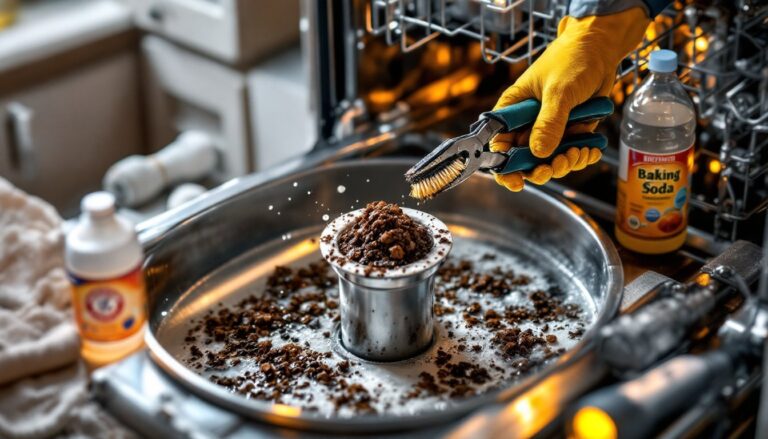
This combination isn’t a miracle cure, but it works on minor clogs and is completely safe for old pipes. Remove any standing water or use a bucket to bail it out. Pour 1/2 cup of baking soda directly into the drain, then follow it with 1 cup of white vinegar (the cheap stuff works fine). Cover the drain with a plug or cloth, the reaction will fizz and bubble inside the pipe. Let it sit for 30 minutes to an hour, then pour boiling water down the drain. The heat, combined with the chemical reaction, can break up soft blockages like soap buildup and some hair tangles.
This method is especially useful for prevention: do it once a month on drains that slow slightly before they clog completely.
The Plunger Technique
A cup plunger (the flat-bottomed kind for sinks) works better than you’d think on clogs. Fill the sink with 3–4 inches of water to create a seal. Place the plunger firmly over the drain opening and pump vigorously 15–20 times without lifting it away. The pressure surge can dislodge hair, soap, and debris stuck near the drain opening. If you have a double sink, block the overflow hole or the other drain with a wet cloth so you don’t lose pressure.
For stubborn clogs, a hand auger (also called a plumbing snake or drain auger) is the next step. These cost $15–$30 at any hardware store and work by breaking up or pulling out debris. Feed the flexible cable into the drain, crank the handle, and feel for resistance. When you hit the clog, work the handle back and forth to break it apart or snag hair. Pull up slowly to extract the debris. Hand augers work best on kitchen and bathroom sink clogs within the first 5–6 feet of pipe.
Wear rubber gloves when handling drain snakes, what you pull out is never pleasant. Avoid chemical drain cleaners if you can: they’re caustic, can damage older pipes, and don’t work well on hair clogs. If you’re tempted to use one, read the label and follow instructions exactly.
When to Hire a Professional Drain Cleaning Service
Know your limits. Some clogs require professional equipment and expertise.
Call a licensed plumber if:
• The clog is in a sewer line or main drain (water backing up into multiple fixtures or the yard)
• You’ve tried plunging and a hand auger without success
• Clogging repeats in the same spot within weeks (sign of a deeper issue)
• You hear gurgling sounds from toilets or drains (indicates a vent blockage or main line problem)
• You see sewage or backed-up water in your basement or yard
• Your home is over 30 years old and you’ve never had the main line inspected
Professional plumbers use motorized augers (much more powerful than hand snakes) and video inspection cameras that locate blockages precisely. Some use hydro-jetting, high-pressure water that scours mineral buildup and roots from inside the pipe. These methods cost more upfront but save money if they prevent repeat calls or catch a serious problem early.
In Salt Lake City, plumbing companies often charge $100–$300 for a basic service call and drain clearing, depending on the blockage location and severity. Services like HomeAdvisor and Angi let you compare local contractor reviews and pricing. For major issues like tree root intrusion or collapsed pipes, costs jump significantly, another reason to call early before damage spreads. If your home has a cheapest drain cleaning service in mind, get multiple quotes and ask what’s included (camera inspection, cleanup, warranty on the work).
Preventative Maintenance Tips for Salt Lake City Homeowners
An ounce of prevention stops you from standing at the sink with a clogged drain on a Sunday night. These steps take minutes and cost almost nothing.
• Use drain screens in every sink and tub. Cheap mesh screens catch hair and food before it enters the pipe. Clean them weekly.
• Flush drains monthly with baking soda and vinegar (as described above) to keep mineral and soap buildup light.
• Never pour grease down the kitchen drain. Cool it in a can or container and throw it in the trash. Hardened grease on pipe walls is the number one kitchen clog culprit.
• Run hot water after washing dishes to push loose grease further down and away from your immediate drain opening.
• Check water heater temperature. If it’s set too low (below 120°F), grease doesn’t liquefy and accumulates in pipes. A slightly hotter water heater (and lower temperature at faucets for safety) helps prevent buildup.
• Know where your main water shut-off valve is in case a clog backs water into your home. Label it with tape so family members find it quickly.
• Have your main sewer line inspected every 5–10 years if your home is over 30 years old, especially in older Salt Lake neighborhoods where roots or settling can damage pipes. A contractor matching service like ImproveNet can help you find licensed professionals in your area.
• Don’t flush wipes, paper towels, or cat litter, no matter what the packaging says. Toilets are designed for human waste and toilet paper only.
Conclusion
Clogged drains are frustrating but rarely require panic or expensive emergency calls. Start with baking soda and vinegar or a plunger, most slow drains clear with these simple methods. Know when a clog is bigger than DIY tools can handle, and call a licensed plumber without guilt. Preventative habits like drain screens, regular flushing, and proper disposal of grease and wipes keep your Salt Lake City home’s plumbing healthy and your water flowing freely.