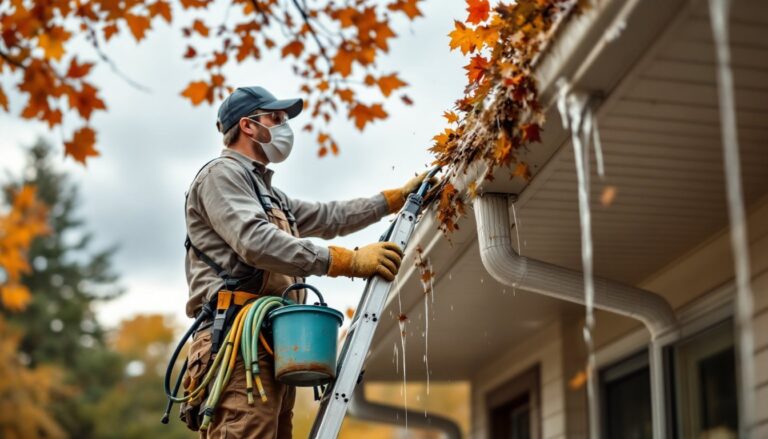
Colorado Springs homeowners face unique gutter cleaning challenges. The region’s dry climate, dramatic weather shifts, and abundance of pine trees mean gutters accumulate needle debris, dirt, and mineral deposits faster than in many other climates. Neglecting gutter cleaning in Colorado Springs can lead to water damage, foundation problems, and premature roof wear. Whether you’re a seasoned DIYer or tackling gutter maintenance for the first time, this guide walks you through the essentials: what you’ll need, how to stay safe at height, and when professional help makes sense. Let’s get your gutters flowing freely again.
Table of Contents
ToggleKey Takeaways
- Gutter cleaning in Colorado Springs should occur 2–4 times yearly due to pine needle debris, mineral deposits, and freeze-thaw cycles that damage gutters and foundations faster than other regions.
- Essential safety gear includes a sturdy ladder, fall arrest harness for multi-story homes, work gloves, dust mask, and a helper—never clean gutters alone or during wet conditions.
- The DIY process involves removing debris with a gutter scoop, flushing with a low-pressure hose (avoid pressure washers above 1,500 PSI), clearing downspouts, and checking for proper slope and damage.
- Professional gutter cleaning services in Colorado Springs cost $150–300 per cleaning and are worth the investment for three-story homes, structural damage, hard-water mineral buildup, or mobility concerns.
- Proper gutter maintenance prevents costly water damage, foundation problems, and mold growth—combining DIY cleanings with occasional professional inspections provides the best balance of cost and home protection.
Why Regular Gutter Cleaning Matters in Colorado Springs
Colorado Springs sits at 6,000+ feet elevation with distinct seasons. Winter snow melt, spring pollen, and summer thunderstorms all deposit material into gutters. Pine needles from the surrounding forest are particularly problematic, they don’t break down like leaves in other regions, creating packed, stubborn blockages. When gutters clog, water backs up under roof shingles, seeps into fascia boards, and eventually reaches your home’s structural framing and foundation. The damage compounds quickly in Colorado’s freeze-thaw cycles: water freezes, expands, and cracks materials. Beyond structural concerns, standing water in gutters becomes a breeding ground for mosquitoes and mold. Cleaning gutters two to four times yearly in Colorado Springs is standard, more frequently if you’re surrounded by trees. Think of it as preventive medicine: a few hours of cleaning now saves thousands in water damage repair later.
Essential Tools and Materials You’ll Need
Before climbing, gather these items:
Safety gear:
- Sturdy ladder (20–28 feet, depending on your roof height)
- Fall arrest harness rated for 5,000+ pounds (recommended for roofs taller than one story)
- Work gloves (leather or nitrile-coated: gutter edges are sharp)
- Safety glasses
- Dust mask (Colorado’s dry air kicks up fine, alkaline particles)
Cleaning tools:
- Gutter scoop or curved shovel (removes packed debris efficiently)
- Sturdy bucket or garbage can (for debris collection)
- Wet/dry shop vacuum (optional but invaluable: attaches to gutters and sucks debris out)
- Garden hose with spray nozzle (for flushing)
- Flashlight or headlamp (gutters have dark corners)
Optional but useful:
- Gutter cleaning robot or pressure washer (for stubborn mineral buildup, though low pressure only, high pressure damages gutters)
- Second pair of hands (seriously: spotting and handing tools up saves time and risk)
Skip pressure washers set above 1,500 PSI: they dent aluminum gutters and gouge wood fascia. A simple hose with adjustable nozzle works fine for flushing. Ladder stabilizers or standoffs are worth the $30–50 investment, they keep the ladder from damaging siding and give you safer hand positions while working.
Step-by-Step DIY Gutter Cleaning Process
Safety Precautions and Setup
Start early on a calm, clear day. Never clean gutters during or right after rain, wet debris is heavier, and wet rungs are slippery. Set your ladder on level ground at least 3 feet away from the gutter line: leaning it directly under gutters forces awkward, unsafe angles. If your yard slopes, use a ladder leveler or shim the base to compensate. Wear your safety glasses and dust mask from the start, Colorado dust is fine and gets everywhere. If you’re over one story, use a harness tethered to a roof anchor or ridge board. A helper holding the ladder base adds stability and morale. Never work alone on tall roofs.
Removing Debris and Flushing Your Gutters
Step 1: Clear the heavy stuff. Climb slowly and test your footing before putting full weight on the ladder rung. Start at the roof’s highest point and work toward downspouts. Use your gutter scoop to pull out pine needles, leaves, and accumulated silt. Pack the bucket as you go, it’s lighter to dump frequently than to haul a 40-pound bucket down. Be thorough: packed debris hardens and compacts, especially in Colorado’s low humidity.
Step 2: Flush the gutters. Once the big debris is gone, grab your hose and spray water along the full length. Watch water flow toward downspouts. If it pools or backs up, there’s a clog downstream, mark it and investigate. Many Colorado homeowners find gutter vacuum systems (like the gutter cleaning tools reviewed on Bob Vila) speed this step significantly, especially for mineral buildup from hard water.
Step 3: Clear downspouts. This is critical and often skipped. Water may flow in the gutter but jam in the downspout. Spray into the downspout opening from above. If water doesn’t flow freely, there’s a blockage. Some folks use a plumbing snake: others remove the downspout elbow and rod out debris by hand. Stubborn ice or mineral deposits may need soaking, pour a bucket of white vinegar down the downspout and let it sit 20 minutes before flushing again.
Step 4: Check gutter slope. While flushing, water should move steadily toward downspouts without pooling. If you see standing water, the gutter may have settled or been installed with inadequate slope. Gutters should slope at least 1/16 inch per 10 feet toward downspouts. Minor settling is normal: major dips require shim brackets or professional remounting.
Step 5: Inspect for damage. Look for cracks, splits, or separations between gutter sections. Colorado’s freeze-thaw stress can open seams. Small leaks can be sealed with exterior-grade silicone caulk: large damage or multiple failing sections warrants replacement.
When to Call a Professional Service
Gutter cleaning is DIY-friendly, but certain situations demand a pro. If your home is three or more stories, the fall risk becomes serious, professional crews have insurance, harnesses, and experience working at height. If you discover structural damage (rotted fascia, separation from the roofline, or severe sagging), call a contractor before the problem spreads. Mineral buildup from Colorado’s hard water can require specialized equipment: some homeowners find that a professional gutter cleaning service in Colorado Springs solves persistent drainage issues faster than DIY methods. Similarly, if you have a mobility limitation, medical condition, or simply aren’t comfortable on a ladder, professionals are worth the cost, typically $150–300 per cleaning in the Colorado Springs area, depending on home size. Resources like Today’s Homeowner and contractor referral sites can help you vet local companies. A professional inspection every few years, even if you self-clean most of the time, catches problems early. Homeowners often find that combining DIY maintenance with occasional professional deep cleans strikes the best balance between cost and peace of mind.
Conclusion
Regular gutter cleaning in Colorado Springs is non-negotiable maintenance. The region’s climate, tree density, and freeze-thaw cycles make gutters a failure point if neglected. With proper tools, safety precautions, and a systematic approach, most homeowners can handle cleaning every six months or after major storms. Know your limits, tall roofs, structural damage, and mineral buildup may require professional help, and that’s a smart call, not a cop-out. Clean gutters are the foundation of a dry, protected home. Get up there, work safely, and keep that water moving where it belongs: down and away from your house.