A slow drain is the kind of problem that nags at you, water pooling in the sink, the shower taking forever, or worse, a backed-up toilet. If you’re in Indianapolis dealing with clogged or sluggish drains, you have options. Some situations call for a plunger and elbow grease: others require professional help. This guide walks you through the signs that your drain needs attention, the DIY methods that actually work, and when it’s time to call a drain cleaning specialist. Whether it’s a kitchen sink, bathroom drain, or something more serious, understanding your options helps you make the right call.
Table of Contents
ToggleKey Takeaways
- Watch for slow drainage, gurgling sounds, foul odors, and standing water—these are the most common signs your drain needs cleaning in Indianapolis.
- Baking soda and vinegar is an effective, low-cost DIY method for minor clogs, but requires 30 minutes to an hour and works best on soft buildup like grease and soap scum.
- A plumbing snake or hand auger ($15–$40) can tackle clogs within reach, but motorized versions are better for tougher jobs and bathroom runs.
- Professional drain cleaning in Indianapolis is necessary for main sewer line blockages, root intrusion, and recurring clogs that DIY methods cannot resolve.
- Root intrusion is common in mature Indianapolis neighborhoods with older cast iron or clay sewer lines and requires high-pressure jetting or pipe replacement.
- Get quotes from at least two licensed plumbers before committing, as drain cleaning costs vary significantly and professional service prevents costly water damage or pipe replacement.
Signs Your Indianapolis Drains Need Cleaning
Catching a drain problem early saves headaches, and prevents damage to your home’s plumbing system. Here’s what to watch for.
Slow drainage is often the first warning sign. Water lingers in your sink, shower pan, or tub instead of draining steadily. This usually means hair, soap scum, grease, or mineral buildup is restricting flow. If it’s happening in multiple fixtures around your home, the issue might be further down the line in your main drain or sewer line.
Gurgling sounds coming from drains or toilets suggest trapped air or partial blockage. You might hear them when water drains from a sink or when using a shower in another bathroom. These noises typically mean debris is partially obstructing the pipe.
Foul odors rising from drains point to organic material trapped in the line, bacteria breaking down hair, food, and grease creates that smell. It’s unpleasant but fixable with proper cleaning. Standing water backing up into sinks or tubs is a more serious warning: this indicates a significant blockage or a problem with your main sewer line, and professional help is necessary immediately.
Frequent backups in the same fixture suggest a localized clog that keeps returning. If plunging or baking soda treatments only work temporarily, you’re likely dealing with buildup that needs more aggressive removal. Indianapolis’s older neighborhoods often have cast iron or clay sewer lines vulnerable to root intrusion and mineral deposits, so recurring issues are common in certain areas.
DIY Drain Cleaning Methods That Actually Work
Before you call a professional, try these methods. They work best on slow drains and minor clogs, not complete blockages.
Baking Soda and Vinegar Solution
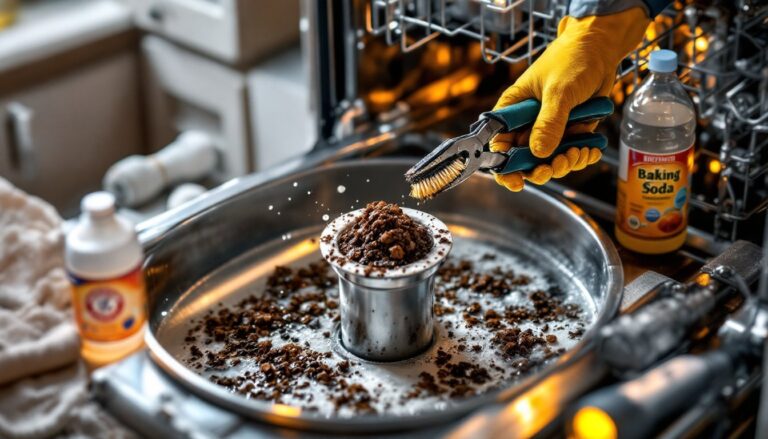
This old standby works because of a simple chemical reaction. Start by removing visible hair or debris from the drain opening. Pour about ½ cup of baking soda down the drain, followed by ½ to 1 cup of white vinegar. Cover the drain opening with a wet cloth or stopper, the seal traps the fizzing action below the surface where it does the most good.
Let it sit for 30 minutes to an hour. The combination breaks down soft buildup like grease and soap scum, though it won’t budge solid blockages. Finish by flushing the drain with very hot water (boiling if it’s a metal or PVC drain: check your pipe material first). For stubborn slow drains, repeat the process. This method is safe, inexpensive, and won’t harm your pipes or septic system if you have one.
Plumbing Snake and Cable Tools
A plumbing snake (also called a drain auger) is your next step up. Hand-cranked snakes are affordable, $15–$40 at any hardware store. Feed the cable down the drain, cranking gently as it advances. When you hit resistance, the clog, keep pressure on and rotate, breaking apart hair clots and mineral deposits.
For kitchen sinks, a simple hand auger works fine for most clogs within arm’s reach. For bathrooms or longer runs, you might want a motorized drain auger (rental runs $40–$80 per day), which handles tougher jobs faster. Wear work gloves and eye protection: drain contents aren’t sterile, and spinning cables can splatter debris.
After snaking, run hot water to flush remaining particles. If you feel a hard, immovable obstruction, especially in main drain lines, stop there and call a professional. You risk damaging older cast iron pipes or pushing a clog deeper into the sewer line. For toilet clogs specifically, a toilet plunger (the flanged kind, not the sink plunger) works first: if that fails and the toilet itself isn’t cracked, a small hand auger designed for toilets is safe to use.
When to Call a Professional Drain Cleaner
Some situations demand professional equipment and expertise. Knowing when to stop and call saves money and prevents damage.
Main sewer line clogs are outside DIY territory. If multiple fixtures are backing up, sinks, showers, and toilets all draining slowly or backing up together, the blockage is in the main line. This requires a camera inspection (a waterproof camera on a cable that shows exactly where and what the clog is) and industrial-grade cleaning tools like motorized cables or high-pressure water jetting. Professional plumbers in Indianapolis typically charge $150–$300 for inspection and $200–$400+ for clearing, depending on severity.
Root intrusion happens when tree roots invade sewer or drain lines seeking water. It’s common in mature Indianapolis neighborhoods. Roots can’t be removed with a snake alone: you need either high-pressure jetting or, in severe cases, pipe replacement. A camera inspection confirms root damage, and your plumber can advise whether repair or replacement is necessary.
Recurring clogs in the same location after DIY attempts suggest an underlying issue: a collapsed section of pipe, a poor pitch (slope) in an old line, or hardened grease buildup that requires professional hydro-jetting. The cheapest drain cleaning service approach, just snaking again, won’t solve it long-term.
Burst or damaged pipes are revealed by camera inspection. If a pipe is cracked, collapsed, or severely corroded, cleaning won’t fix it: replacement will be necessary. This is structural work that requires permits and licensed plumbers in Indianapolis.
Resources like Family Handyman and Bob Vila offer good guidance on when plumbing goes beyond DIY, and drain cleaning costs in Indianapolis vary by service and severity. Get quotes from at least two licensed plumbers: prices differ, and you want someone you trust.
Conclusion
Start with the simple fixes, baking soda, vinegar, and a plunger. If those don’t work, a hand auger is a reasonable second step. But if you hit a wall, backed-up water, foul odors, or recurring clogs, stop and call a licensed professional. Indianapolis has plenty of experienced drain cleaners, and the cost of a service call is far less than repairing water damage or replacing a collapsed sewer line. Know your limits, use the right tools for the job, and your drains will stay flowing.