A clean dishwasher is the foundation of spotless dishes and fresh-smelling kitchens. Over time, food particles, mineral deposits, and grease accumulate inside your Whirlpool dishwasher, reducing its cleaning power and creating unpleasant odors. Regular maintenance doesn’t require professional service calls, just a few simple steps using common household items. This guide walks you through cleaning your Whirlpool dishwasher’s interior, deep cleaning with vinegar and baking soda, and maintaining the seals and exterior. Whether you’re noticing poor wash results or just want to keep your appliance running like new, these practical methods will get the job done.
Table of Contents
ToggleKey Takeaways
- Regular cleaning of your Whirlpool dishwasher’s filter and spray arms once a month prevents mineral buildup and ensures even water distribution for spotless dishes.
- Using white vinegar and baking soda for quarterly deep cleaning removes stubborn deposits and odors without harsh chemicals or expensive service calls.
- The door gasket and spray arm nozzles are critical components that require regular inspection and gentle cleaning to maintain proper sealing and water flow.
- A simple 30-minute maintenance routine—rinsing the filter, unclogging spray holes, and wiping the door seal—keeps your dishwasher running efficiently and fresh-smelling for years.
Why Regular Dishwasher Cleaning Matters
Your Whirlpool dishwasher works hard every day, but it can’t clean itself. Leftover food, soap scum, and mineral buildup accumulate on the spray arms, filter, and interior walls, areas where your dishes actually make contact. When these parts get clogged, water doesn’t spray evenly, leaving dishes partially clean and forcing you to re-run cycles.
Mineral deposits also corrode spray arm nozzles and clog the small holes that release water. Hard water is a particular culprit, leaving white chalky deposits that reduce water flow. Regular cleaning, roughly once a month for heavy use, or every two months for light use, prevents these problems and extends your appliance’s life.
Beyond performance, a clean dishwasher smells better and runs more quietly. You’ll notice fewer food-related odors and less grinding noise from mineral blockages. The good news: this maintenance takes about 30 minutes and costs almost nothing.
Cleaning The Interior: Spray Arms And Filter
The spray arms and filter are the workhorses of your Whirlpool dishwasher, and they’re also the dirtiest parts. Start by removing any large debris by hand, then tackle the filter and spray arms, the two components that most affect wash quality.
Removing And Rinsing The Filter
Your Whirlpool’s filter system typically includes a fine mesh filter and a coarse filter basket. First, stop the dishwasher mid-cycle or wait until a cycle is complete. Pull out the lower rack to access the filter assembly, which is usually located at the bottom center of the tub.
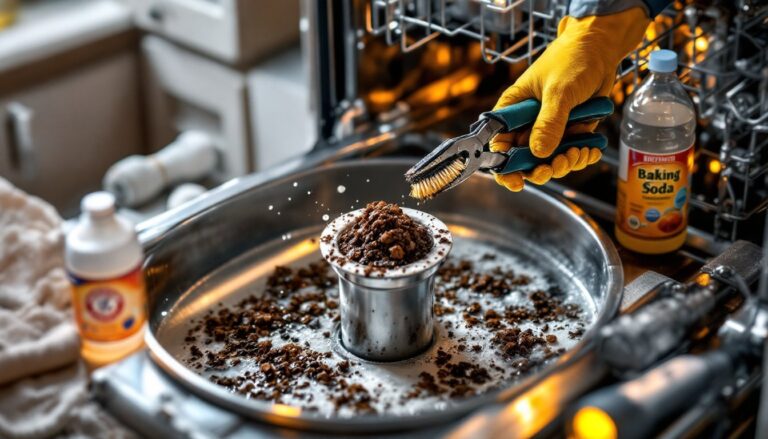
Rotate the filter cap counterclockwise (consult your model’s manual if you’re unsure of the exact mechanism, some Whirlpools have a pull-and-twist design). Lift out the filter assembly and hold it under running warm water. Use a soft brush or an old toothbrush to gently scrub away food particles and buildup. Don’t use abrasive scrubbers or steel wool, which can damage the fine mesh. Rinse thoroughly until water runs clear. If the filter smells or looks especially grimy, soak it in warm water mixed with a tablespoon of white vinegar for 15 minutes before rinsing again.
Once clean, reinstall the filter by reversing the removal steps. Make sure it seats properly, a loose filter won’t work and can damage internal components.
Inspecting And Cleaning Spray Arms
The spray arms have tiny holes that shoot water onto your dishes. When these holes get blocked, your dishes won’t get clean. Locate the spray arms, typically there’s one on the bottom and sometimes one on the top or side, depending on your Whirlpool model.
Remove the arms by turning them counterclockwise (again, check your manual). Hold each arm up to a light source and look through the spray holes. You should see light coming through. If holes are blocked, soak the arm in a bowl of warm white vinegar for 30 minutes. Use a straightened paper clip or a small piece of wire to gently poke through any remaining blockages, be careful not to enlarge the holes or crack the plastic. Rinse thoroughly and reinstall by turning clockwise until snug. Don’t over-tighten: you’ll crack the plastic.
Deep Cleaning Your Whirlpool Dishwasher With Vinegar And Baking Soda
After tackling the filter and spray arms, a deep clean with vinegar and baking soda removes stubborn mineral deposits, grease, and odors from the entire interior. This method is chemical-free, inexpensive, and highly effective, similar to methods recommended by real simple home organization experts. You’ll need white vinegar and baking soda, both pantry staples.
Start by placing a dishwasher-safe bowl filled with two cups of white vinegar on the upper rack. Run the dishwasher on a hot water cycle (often labeled “sanitize” or “heated dry” on Whirlpool models). The vinegar will circulate throughout the tub, dissolving mineral deposits and degreasing the walls and door. When the cycle finishes, sprinkle a generous amount of baking soda (about one cup) across the bottom of the empty tub.
Run another hot water cycle. The baking soda will fizz and foam, further loosening debris and neutralizing odors. After this cycle, visually inspect the interior. If you see remaining buildup in corners or along the door gasket, dip a soft brush in diluted vinegar and scrub those spots by hand.
For stubborn mineral deposits, use a 1:1 mixture of white vinegar and water in a spray bottle. Spray affected areas and let sit for 5-10 minutes, then wipe with a damp cloth. Avoid spraying electronic components or the heating element at the bottom of the tub. Repeat this deep clean quarterly, or monthly if you have especially hard water. Good Housekeeping appliance guides often recommend this method as a first-line defense against mineral buildup.
Maintaining Door Seals And Exterior Surfaces
The door gasket (the rubber seal around the edge of the door) traps food particles and moisture. A dirty gasket can allow water to leak and creates musty odors. Inspect the gasket regularly by opening the door fully and looking inside the seal for visible debris. Use a damp cloth or an old toothbrush to wipe along the entire gasket, especially in the corners where debris collects. For stubborn gunk, dampen the brush with a 1:1 vinegar-and-water solution. Never use harsh chemicals or bleach on rubber seals, they degrade the material and cause leaks.
The exterior of your Whirlpool deserves attention too. Wipe the stainless steel or painted exterior monthly with a soft cloth. For stainless steel, use a microwave-safe cloth lightly dampened with water or a mixture of water and a drop of white vinegar. Wipe with the grain, not against it. Avoid glass or all-purpose cleaners on stainless steel, they leave streaks and can damage the surface. For painted exteriors, a simple damp cloth is sufficient. The Kitchn’s kitchen care tips emphasize that simple maintenance prevents costly repairs.
Check the door latch and hinge areas for corrosion or buildup. A little vinegar on a cloth and a gentle wipe will keep these components functioning smoothly. If the door doesn’t seal properly after cleaning, the gasket may need replacement, an affordable part you can install yourself or have a technician handle.
Conclusion
Cleaning your Whirlpool dishwasher is one of the easiest appliance maintenance tasks you can do, yet it delivers outsized results. A monthly filter and spray arm rinse, combined with quarterly deep cleaning using vinegar and baking soda, will keep your machine washing dishes like new. Your dishes will come out cleaner, your kitchen will smell fresher, and you’ll avoid expensive service calls. Start with the filter and spray arms this week, and make the deep clean a regular habit, your Whirlpool will thank you with years of reliable performance.