A clogged drain doesn’t have to mean calling a plumber at an premium hourly rate, at least not right away. Many drain problems can be tackled with tools and materials already in your home, plus some patience and elbow grease. The key is knowing which methods actually work, recognizing when a drain cleaning plumber becomes necessary, and understanding what’s causing the blockage in the first place. This guide walks you through practical DIY approaches, realistic expectations, and the red flags that signal it’s time to bring in a professional. Whether you’re dealing with a slow-draining sink or a completely backed-up toilet, you’ll know exactly what to try first and when to admit defeat (no shame in that).
Table of Contents
ToggleKey Takeaways
- Most drain clogs can be resolved with DIY methods like plunging and hot water before calling a drain cleaning plumber, saving you the premium hourly rate.
- Hair, grease, mineral deposits, and toilet paper are the most common culprits—identifying the clog type helps you choose the right solution.
- The baking soda and vinegar method is a safe, effective, and inexpensive alternative to harsh chemical drain cleaners that works well on organic buildup.
- Multiple slow drains, sewage odors, or clogs that return immediately are red flags that signal you need a professional plumber with camera inspection tools.
- Simple prevention habits—drain strainers, proper grease disposal, avoiding “flushable” wipes, and monthly hot water flushes—eliminate 90% of residential drain problems.
Understanding Common Drain Problems
Before you start pulling out tools, figure out what you’re actually dealing with. Most drain clogs fall into a few predictable categories, and diagnosis saves time.
Hair, soap residue, and food particles are the usual suspects in bathroom and kitchen drains. These accumulate slowly and eventually create a slow drain or a full blockage. You’ll notice water backing up gradually rather than stopping all at once.
Mineral deposits and limescale form in areas with hard water. They reduce water flow over time and can harden into stubborn restrictions. These respond well to acidic solutions.
Grease and oil solidify as they cool, often trapping other debris. Common in kitchen sinks, grease clogs typically require hot water or a dissolving agent, not just mechanical force.
Toilet paper and sanitary products cause blockages when flushed in quantity or when users flush items that shouldn’t go down at all. Toilets handle solids, not “flushable” wipes (which aren’t really flushable).
Tree roots and structural damage are the serious stuff. If multiple drains throughout your home are backing up, or if you notice soggy patches in your yard, the problem likely lives in your main line. This isn’t a DIY fix, you need a camera inspection and a licensed professional.
Start by identifying whether the clog is isolated (just your bathroom sink) or widespread (multiple fixtures). Isolated problems usually respond to DIY methods. Widespread issues point toward a main line problem requiring professional tools like a drain camera and motorized auger.
DIY Drain Cleaning Methods That Actually Work
Using a Plunger and Hot Water
You’ve got a plunger at home, and it’s your first line of defense for reason, it works. The key is using the right type and technique.
For sinks and tubs, use a standard flat-bottomed cup plunger. Fill the sink with a few inches of water to seal around the plunger cup. If there’s an overflow hole, plug it with a wet rag so you create genuine pressure. Push down firmly and pull up quickly, repeating 15-20 times. Don’t just mash it gently: you need actual thrust to dislodge the clog.
For toilets, use a flanged plunger (the one with the extra rubber cup inside). The flanged design creates a better seal in the toilet bowl opening. Fill the bowl so the plunger is covered, then plunge with the same vigorous up-and-down motion. If the water level is too high, bail some out first so you don’t splash when plunging.
Before plunging, try pouring a kettle of hot (not boiling) water down the drain. Boiling water can crack porcelain and warp pipes, but water heated to 160–180°F softens grease and soap buildup. Wait a minute, then plunge. Many simple clogs clear with just hot water and a plunger.
Wear rubber gloves and keep your face back from the drain opening, splashing happens, and it’s not pleasant.
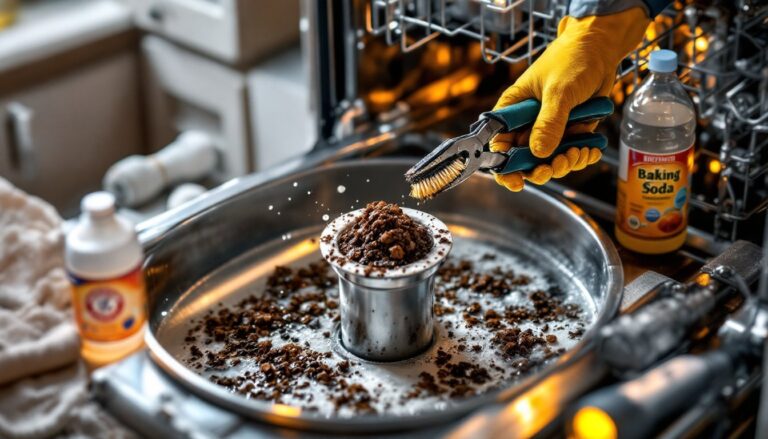
Baking Soda and Vinegar Solution
This combination is gentler than commercial drain cleaners and works surprisingly well on buildup.
Pour a kettle of hot water down the drain first to warm it up. Follow with a half-cup of baking soda. Let it sit for 10-15 minutes, the baking soda will start breaking down organic buildup. Pour a half-cup of white vinegar down next. It’ll fizz and bubble, which is the chemical reaction doing the work. Cover the drain opening (use a plug or wet rag) to keep the bubbling action contained inside the pipe instead of erupting into your sink.
Let it sit for another 30 minutes, then flush with hot water. For stubborn clogs, repeat the process twice. This method is safe, requires no special equipment, and won’t damage pipes or finishes.
For kitchen sinks with persistent grease, add a tablespoon of salt to the baking soda. Salt acts as a mild abrasive and helps cut grease. The process remains the same: hot water, baking soda with salt, vinegar, cover, wait, and flush.
If the drain is completely blocked and water isn’t draining at all, you’ll need mechanical action first. Use a plunger to break through the clog enough for water to flow, then try the baking soda method.
Pro tip: Regular maintenance with baking soda and vinegar monthly prevents many clogs from forming. It’s cheap insurance and takes five minutes.
When to Call a Professional Plumber
DIY methods work on surface-level clogs, but certain situations demand professional equipment and expertise.
Call a plumber if:
- Multiple drains are slow or backed up. This signals a main line blockage, typically in the sewer line. A single DIY plunger won’t clear 60 feet of underground pipe.
- Water backs up into other fixtures. If you flush the toilet and water rises in the shower, the blockage is downstream in the main line.
- The clog returns immediately. A temporary clear isn’t a fix. Recurring clogs usually mean roots, structural damage, or a location too deep for hot water and vinegar.
- Plunging doesn’t work after a genuine 20-minute effort. Move on rather than flooding your bathroom.
- You smell sewage or see slugs, insects, or roots in the drain. These indicate structural damage or tree root intrusion, conditions requiring a camera inspection and professional repair.
- The line has been frozen or thawed recently. Freeze-thaw cycles can crack pipes. A camera inspection prevents costly mistakes.
- Your home is older than 50 years with clay or cast iron sewer lines. These materials deteriorate, and a professional inspection can catch problems before they become expensive emergencies.
Know your limits. How to hire a drain cleaning pro provides guidance on selecting a qualified plumber. Expect to pay $150–300 for a service call plus diagnostics. If a camera inspection is needed, add another $200–500, but the investment prevents you from throwing money at the wrong solution.
Resources like Bob Vila and ImproveNet offer contractor recommendations and project cost guides if you need a second opinion on pricing.
Preventing Future Drain Clogs
An ounce of prevention saves you from ever needing to Google “drain cleaning plumber near me” at 11 p.m. on a Sunday.
In the kitchen:
- Use a drain strainer to catch food solids. Empty it into the trash, not back down the sink.
- Never pour grease, oil, or cooking fat down the drain. Let it cool, wipe it into the trash, and rinse the pan with hot water.
- Run the garbage disposal for a few seconds after grinding food, then let cold water flow for 30 seconds. Cold water solidifies any grease residue so it can be disposed of rather than coating your pipes.
In the bathroom:
- Install a hair trap in the shower or tub drain. Hair is cheap to replace: plumbing repairs aren’t.
- Don’t flush anything except toilet paper and human waste. “Flushable” wipes, paper towels, cotton swabs, and dental floss clog pipes.
- Use reasonable amounts of soap and shampoo. More isn’t better, and buildup accumulates over months.
Throughout the home:
- Run hot water down drains weekly, even ones that seem fine. It flushes debris before it accumulates.
- Pour a baking soda and vinegar treatment down drains monthly. It’s cheap maintenance that breaks down early buildup.
- Avoid commercial liquid drain cleaners. They’re caustic, harmful to pipes and skin, and often don’t solve the real problem.
- If your area has hard water, consider a water softener or vinegar treatment for showerheads and fixtures. Mineral deposits reduce flow and contribute to clogs.
Simple habits prevent 90% of residential drain problems. The cheapest drain cleaning service is the one you never need to call.
Conclusion
Most drain clogs clear with a plunger, hot water, and patience. When they don’t, baking soda and vinegar often finish the job. Recognize when a problem exceeds DIY scope, multiple slow drains, sewage smells, or recurring blockages warrant a professional inspection. Once you’ve solved the immediate clog, focus on prevention: strainers, proper disposal habits, and monthly maintenance keep pipes flowing freely. Smart homeowners tackle what they can and call a plumber for the rest.