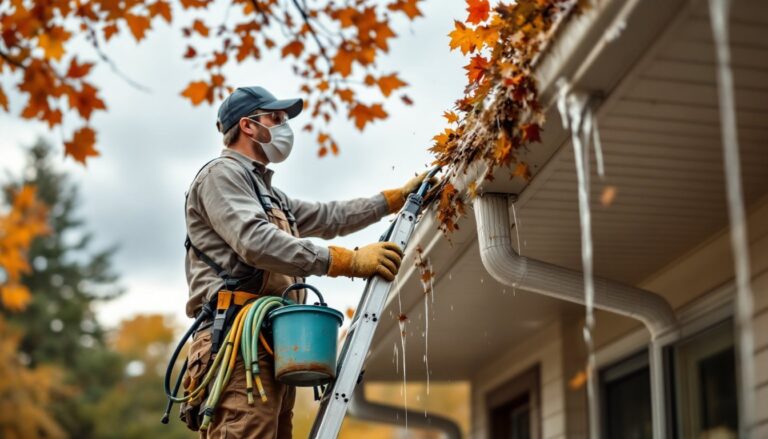
Pittsburgh’s climate, with its humid summers, heavy rainfall, and wet springs, puts serious stress on your home’s gutters. Leaves, pine needles, shingle debris, and silt accumulate fast, especially in neighborhoods with mature trees. Clogged gutters back up water into fascia boards and soffit, rot the wood, and allow water to cascade behind your siding. If left unchecked, this moisture can seep into your basement or foundation. Regular gutter cleaning isn’t glamorous, but it’s one of the most cost-effective ways to protect your investment. This guide walks you through when to clean, how to do it safely, and when to bring in a pro.
Table of Contents
ToggleKey Takeaways
- Gutter cleaning Pittsburgh homeowners should perform twice yearly—in fall (late October/November) and spring (April/May)—to prevent water damage, rot, and costly foundation repairs in the region’s humid climate.
- Clogged gutters cause water to back up behind siding, seep into foundations, and create ice dams in winter, making regular maintenance a cost-effective investment compared to structural repairs.
- DIY gutter cleaning requires proper safety equipment including an extension ladder with stabilizer, work gloves, safety glasses, and a partner to spot you—never lean directly against gutters or overreach.
- Homeowners should hire a professional gutter cleaning service for homes three or more stories tall, heavily damaged systems, buried downspouts, or when fascia rot is visible.
- Pittsburgh’s winter weather requires caution: avoid cleaning gutters during ice storms, and if ice dams form, clear the downspout first then wait for safe conditions above 40°F to complete full cleaning.
Why Regular Gutter Cleaning Matters in Pittsburgh
Pittsburgh homeowners face a perfect storm: humidity, seasonal leaf drop, and frequent rain. Your gutters are the first line of defense against water damage. When gutters overflow or stay wet, water pools against your foundation and fascia, inviting rot, mold, and structural problems that cost thousands to repair.
A clogged gutter system fails to direct water away from your home. Water backs up under shingles, seeps into soffit vents, and runs down the outside of your walls. Over one season, this can compromise wood framing, insulation, and interior drywall. Basement moisture, efflorescence on concrete, and hydrostatic pressure on foundation walls often trace back to failed gutters.
Beyond structural damage, standing water in gutters becomes a mosquito breeding ground and can rust fasteners and gutter systems prematurely. Regular cleaning, twice yearly in Pittsburgh, keeps water flowing, extends gutter life by years, and prevents expensive foundation or basement repairs down the line.
When to Clean Your Gutters in Pittsburgh
Spring and Fall: Peak Cleaning Seasons
Pittsburgh’s calendar dictates two critical cleaning windows. In fall (September through November), trees shed leaves aggressively. By mid-November, most deciduous trees are bare, but by then gutters are packed. Clean gutters thoroughly in late October or early November before winter arrives. In spring (April and May), winter storms deposit twigs, shingle granules, and winter debris. A spring cleaning removes accumulated winter buildup and prepares your system for heavy May and June thunderstorms.
If your property sits under or near large trees, you may need three cleanings annually, add one in mid-summer if pine needles or cottonwood fuzz are heavy contributors.
Winter Considerations for Pittsburgh Weather
Winter adds a layer of complexity. Clogged gutters freeze solid and form ice dams along the edge of your roof. Water backs up under shingles and leaks into the attic. Ice accumulation adds weight that can sag or tear gutters away from fascia. If you spot ice dams forming, they signal backed-up water, a sign that debris is blocking flow.
In Pittsburgh, where winter temps fluctuate between freezing and thawing, avoid cleaning gutters during ice storms or when ice is actively forming. Wait for a dry day above 40°F. If gutters are already iced over and causing leaks, focus on clearing the downspout and visible debris: a full clean is safer once ice melts. Never use a pressure washer in freezing conditions, water will refreeze and make problems worse.
DIY Gutter Cleaning: Tools and Safety Tips
If you’re comfortable on a ladder and your home is one or two stories, DIY gutter cleaning is doable. Taller homes, steep roofs, or gutter systems in poor condition warrant hiring a professional.
Tools and materials you’ll need:
• 24- to 28-foot extension ladder (lean-to, not touch gutters at full height)
• Ladder stabilizer or standoff (keeps ladder away from gutters: prevents damage and improves safety)
• Heavy-duty work gloves (leather or nitrile: gutter debris is sharp and filthy)
• Safety glasses (debris flies upward)
• Shop towels or small bucket (to scoop debris)
• Gutter scoop or old putty knife (optional but faster than hands)
• Garden hose with spray nozzle (flush debris downstream)
• Slip-resistant shoes (roofs and gutters are slippery when wet)
Safety steps:
- Wear full PPE: gloves, safety glasses, and a dust mask if debris is thick. Wet leaves and decomposed matter harbor mold spores.
- **Use a ladder stabilizer, never lean a ladder directly against gutters or fascia. The gutter will bend or tear, and you’ll lose footing.
- Position the ladder so the top is 3 feet above the gutter edge. This gives you stable footing and easy reach.
- Work in daylight. Never clean gutters at dusk or on a cloudy, poorly lit day, you won’t see loose debris or hazards.
- Have a partner spot you if possible. At minimum, tell someone where you are.
- Never overreach. Reposition the ladder rather than leaning sideways. Overreaching causes falls.
Cleaning process:
- Scoop out large leaves and debris by hand or with a gutter scoop into a bucket or trash bag.
- Flush the gutter with a hose, working water downslope toward the downspout.
- If water pools, there’s a clog or sag, locate it and clear it.
- Check downspouts are clear by running water from the hose into the gutter and watching flow at ground level. Water should exit cleanly.
- Inspect for standing water after flushing. This signals a sag, which may need repair.
A typical single-story home takes 1–2 hours. Budget extra time if gutters are heavily clogged or if you’re climbing scaffolding-style on a two-story structure.
How to Know When to Call a Professional
Not all gutter work is a DIY job. Call a professional if:
• Your home is three or more stories. Working at that height requires specialized equipment and liability insurance.
• You have physical limitations. Age, mobility issues, or balance problems make ladder work risky. Professionals have harnesses and training.
• Gutters are sagging, pulling away, or heavily damaged. This means repair or replacement, not just cleaning. Structural work may require permits in Pittsburgh.
• Downspouts are buried or underground. Clearing and inspecting buried systems requires specialized tools and knowledge.
• You spot rot in fascia or soffit boards. This is structural damage requiring carpenter repair, which should happen before gutter cleaning.
• Ice dams are forming repeatedly. Recurring ice dams suggest ventilation or insulation issues in the attic, a roofer or energy auditor should assess first.
Hiring a professional costs $150–$300 for a one-story home in Pittsburgh depending on complexity and debris load, but saves time and reduces injury risk. Top-rated professionals in the Pittsburgh area appear in gutter cleaning directories with customer reviews. Many pros also inspect downspouts and recommend repairs, which is valuable if your gutters are aging or failing.
For insights on companion work, downspout cleaning is equally important, a clogged downspout defeats the purpose of clean gutters. Trusted home improvement resources like Bob Vila and Today’s Homeowner offer seasonal maintenance checklists that emphasize gutter health as a foundational task.
Conclusion
Gutter cleaning isn’t fun, but skipping it costs far more in foundation repairs, basement moisture, and structural rot. In Pittsburgh’s damp climate, clean gutters are non-negotiable. Plan for spring and fall cleaning, invest in safe ladder practices, and don’t hesitate to hire a pro if your home is tall, the debris is heavy, or your gutters are failing. A few hours of maintenance twice a year protects your home’s most vulnerable seams.