Clogged drains are one of those home problems that seems minor until it isn’t. That slow sink or backing-up shower in your Citrus Heights home can quickly escalate from an annoyance to a plumbing emergency. The good news? Many drain issues can be tackled without calling a pro, if you know the right approach. This guide walks you through the most common drain problems in the area, practical DIY methods that actually work, and honest guidance on when a licensed plumber is worth the investment. Whether you’re dealing with hair buildup in the bathroom or kitchen grease, you’ll find straightforward solutions and prevention tips to keep your pipes flowing freely.
Table of Contents
ToggleKey Takeaways
- Drain cleaning in Citrus Heights is most effective when you understand local challenges like hard water mineral buildup, galvanized steel pipe corrosion, and tree root invasion common in the area.
- Baking soda and vinegar is a proven, low-cost DIY drain cleaning method for fresh clogs caused by hair and soap, while plumbing snakes ($15–$40) work for stubborn blockages without damaging pipes.
- Call a professional drain cleaner when multiple drains are slow simultaneously, tree roots are suspected, or clogs return within weeks—professional service typically costs $150–$400 and takes under an hour.
- Prevent future clogs by installing drain screens ($2–$5), never pouring grease down the sink, using sink strainers, and keeping trees 10+ feet from sewer lines.
- Hard water treatment through a whole-home water softener ($800–$2,000) reduces mineral deposits and extends plumbing system lifespan, making prevention far cheaper than emergency repairs.
Common Drain Problems in Citrus Heights Homes
Citrus Heights homeowners face predictable drain challenges tied to the region’s water quality, older home stock, and building conditions. Hard water is a primary culprit, mineral deposits build up inside pipes over time, narrowing the passage and slowing drainage. If your home was built in the 1970s or earlier, you might have galvanized steel pipes that are prone to rust and corrosion, which flakes off and clogs the line.
Hair is the second most common clog cause, especially in bathrooms with multiple users. A single shower drain can accumulate significant buildup within weeks. Kitchen drains clog differently, grease cools and solidifies inside the pipe, trapping food particles and creating a stubborn blockage that water can’t penetrate. Tree roots seeking moisture will also invade older clay or cracked PVC sewer lines, a problem that worsens during wet winters.
Slow drains often signal early clogs that haven’t completely blocked flow yet. Gurgling sounds when draining or water pooling around the base of a drain are warning signs. If multiple drains in your home are slow at the same time, the blockage is likely in the main sewer line, a job that typically requires professional equipment.
DIY Drain Cleaning Methods That Actually Work
Before you reach for chemicals or call a plumber, try these proven DIY approaches. They’re inexpensive, low-risk, and work better than you’d expect.
Using Baking Soda and Vinegar Solutions
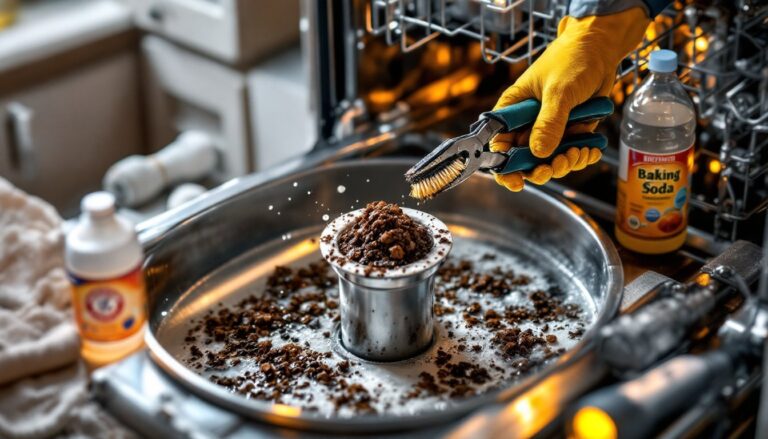
The baking soda and vinegar combination is effective for drain cleaning citrus heights homeowners commonly face, hair and soap buildup that hasn’t hardened into a solid blockage. Here’s the process:
- Remove standing water from the drain using a cup or wet vac if needed.
- Pour ½ cup of baking soda directly into the drain.
- Follow immediately with ½ cup of white vinegar. The chemical reaction will fizz and bubble, breaking apart loose debris.
- Cover the drain opening with a wet cloth or stopper to keep the reaction inside the pipe.
- Let it sit for 30 minutes to 2 hours depending on clog severity.
- Flush with 2 gallons of boiling water (or very hot tap water for PVC pipes, which can warp).
This method works best on fresh clogs. If your drain has been slow for weeks, the buildup is too dense for baking soda alone. The key advantage: no toxic fumes, no damage to pipes, and it costs under $2.
Plumbing Snakes and Manual Drain Augers
When baking soda fails, a plumbing snake (or hand auger) gives you mechanical reach into the pipe. You’ll find 25-foot models at any hardware store for $15–$40. Longer snakes work for main lines, but a 25-footer handles most bathroom and kitchen clogs.
- Insert the snake tip into the drain and feed it in slowly while turning the handle.
- When you feel resistance, push firmly while rotating. The auger’s tip will either break through the clog or snag hair you can pull back out.
- Retract slowly, pulling the loosened debris with it.
- Flush with hot water to clear remaining particles.
Wear gloves, you’ll pull out hair, soap scum, and worse. If the snake doesn’t break through after 10–15 minutes of effort, you’ve hit either a bend in the pipe, a solid obstruction (like a toy), or a blockage further down that requires powered equipment. Electric drain augers exist but cost $200+: renting one runs $40–$60 per day from a tool rental shop. For most home clogs, the manual version is sufficient.
When to Call a Professional Drain Cleaner
There’s a line between “annoying clog” and “call someone.” Cross it, and DIY delays will only make matters worse.
Call a professional if multiple drains in your home are slow or backing up simultaneously, this signals a main line blockage that needs a motorized sewer auger or camera inspection to diagnose. If you suspect tree roots, only a licensed plumber with a camera scope can confirm the location and recommend repair (root cutting, line relining, or replacement). Repeated clogs in the same drain within a few weeks also warrant professional attention: the underlying cause might be a collapsed section or grease buildup deep in the line that baking soda won’t touch.
Chemical drain cleaners are tempting but problematic. They can damage older pipes, harm septic systems, and create toxic fumes. If you’ve already poured chemicals down the drain, let the plumber know, they’ll take extra precautions. Citrus Heights professionals using top-rated drain cleaning services can often diagnose and clear stubborn clogs in under an hour. Cost ranges from $150–$400 depending on severity and whether the blockage is in the branch line (toilet, shower) or the main sewer line. HomeAdvisor and ImproveNet both offer contractor matching and cost estimates specific to your area, which helps you shop informed.
Preventing Future Drain Clogs and Backups
The best drain is one that never clogs. Prevention is cheap compared to emergency plumber calls.
In the bathroom: Install a drain screen or hair trap ($2–$5) over every tub and shower drain. These catch hair before it enters the pipe. Clean them weekly, it takes 20 seconds. Don’t flush so-called “flushable” wipes: they don’t break down and pile up in your line.
In the kitchen: Never pour grease down the drain, even if you follow it with hot water. Grease cools as it travels down the line and solidifies. Instead, pour cooled grease into a can or jar, let it harden, and throw it away. Use a sink strainer to catch food particles. Run the disposal with plenty of cold water, hot water actually accelerates grease solidification. Once monthly, run boiling water through your kitchen drain to help prevent buildup.
Whole house: If you have hard water (common in Citrus Heights), consider a water softener for your home’s main line. This reduces mineral deposits that narrow pipes over time and extends the life of water heaters and appliances. A whole-home system costs $800–$2,000 installed, but saves money on plumbing repairs and appliance replacement in the long run. You can test water hardness with a kit from any hardware store for under $10.
Septic and sewer awareness: Roots grow toward moisture and nutrient-rich sewer lines, especially during dry seasons. Keep large trees at least 10 feet from your sewer clean-out and main line. If roots are a recurring issue, ask a plumber about installing a root barrier (copper sulfate tablets or physical barriers) in your clean-out.
Regular maintenance beats emergency repair every time. A single professional drain cleaning runs $150–$400: prevention costs pennies.
Conclusion
Drain clogs in Citrus Heights often start small and solve quickly with baking soda, vinegar, or a plumbing snake. Know your limits, if the clog won’t budge, multiple drains are affected, or you suspect tree roots, a licensed plumber with modern equipment is your best bet. Invest in prevention: drain screens, grease management, and routine maintenance will keep your pipes flowing and your wallet fuller.