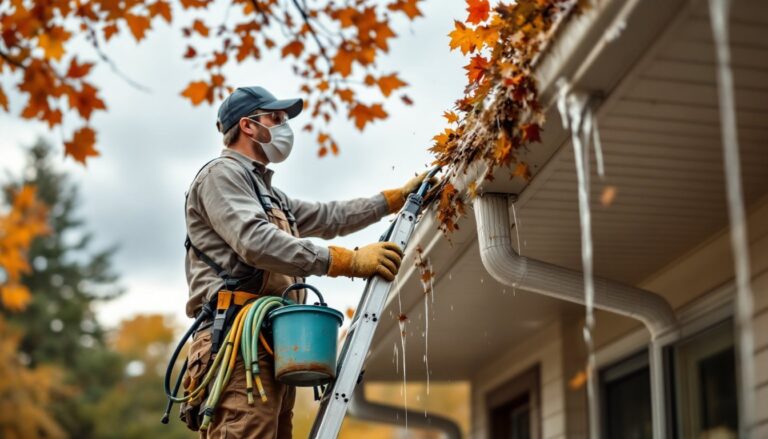
Gutters might not be glamorous, but they’re essential. Cleveland’s mix of seasonal weather, heavy spring rains, wet snow, and autumn leaf dumps, makes gutter maintenance non-negotiable if you want to protect your foundation, siding, and landscaping. A clogged gutter allows water to pool and overflow, which can lead to water damage, rot, and expensive repairs down the line. The good news: gutter cleaning is a straightforward DIY task for most homeowners, though it requires the right approach, tools, and safety precautions. This guide walks you through everything you need to know to keep your gutters flowing freely and your home protected.
Table of Contents
ToggleKey Takeaways
- Cleveland gutter cleaning twice yearly (spring and fall) prevents water damage, foundation cracks, and costly repairs to siding and landscaping.
- Essential DIY gutter cleaning tools cost under $100 and include a 24–40 foot extension ladder, gutter scoop, heavy-duty gloves, safety glasses, and garden hose with spray nozzle.
- Proper ladder safety—choosing level ground, positioning at a 75-degree angle, and wearing appropriate PPE—prevents injuries during gutter maintenance work.
- A standard gutter cleaning takes 2–4 hours for a single-story home and saves homeowners $200–400 per professional visit while revealing the gutter’s actual condition.
- Hire professionals for three-story homes, severely damaged gutters, persistent standing water, or if mold growth and mobility concerns make DIY unsafe.
Why Regular Gutter Cleaning Matters in Cleveland
Cleveland’s climate creates a perfect storm for gutter problems. Spring thaws bring heavy runoff, summer thunderstorms dump debris, autumn leaves clog downspouts, and winter ice dams can form where water backs up behind blockages. When gutters fill with leaves, twigs, and sediment, water can’t drain properly. That overflow cascades down your siding, seeps into your foundation, and pools around your home’s base, a recipe for basement leaks and structural damage.
The damage escalates fast. Trapped moisture invites mold and wood rot. Foundation cracks widen as water pressure increases. Gutters themselves sag under the weight of wet debris, creating more pooling and faster deterioration. Most homeowners find that cleaning gutters twice a year, spring (after winter storms and leaf-drop) and fall (before heavy winter precipitation), prevents the worst problems.
You’ll also notice soffit and fascia damage if gutters fail. Water spilling over the edge weakens the boards that hold your gutter system. Repairs to rotted fascia and soffit typically cost far more than a couple hours of gutter cleaning per year. Today’s Homeowner recommends seasonal maintenance checklists that include gutter inspection as a core task, reinforcing why Cleveland homeowners can’t skip this job.
Best Tools and Materials for DIY Gutter Cleaning
You don’t need specialty equipment, but having the right basics makes the work faster and safer. Most of what you need is already in your garage or available at any hardware store for under $100 total.
Essential Equipment to Gather Before Starting
Ladder: A 24- or 28-foot extension ladder is standard for single-story homes: two-story homes often require a 32- or 40-footer. Confirm your ladder’s weight rating exceeds your body weight plus tools and debris (usually 250–300 lbs). Avoid leaning ladders against gutters themselves, they can bend or pull away from the fascia.
Gutter scoop or trowel: A plastic or aluminum gutter scoop ($10–15) has a curved shape that fits inside the gutter channel. A standard 3-inch putty knife works if you don’t have a scoop. Avoid sharp metal shovels that can puncture or crimp gutters.
Gloves: Heavy-duty work gloves protect your hands from sharp debris, rusty edges, and bacteria in decomposed leaves. Nitrile gloves aren’t enough here: get leather or rubberized gripping gloves.
Safety glasses or goggles: Debris falls when you’re cleaning above. ANSI-rated safety glasses prevent eye injuries from twigs, dirt, and splinters.
Bucket or tarp: A 5-gallon bucket hung from the ladder with a carabiner (or duct-taped to a rung) collects debris. A ground-level tarp catches larger volumes if you’re working on a steep roof section.
Hose with spray nozzle: Once debris is cleared, flush gutters with a standard garden hose to test flow and rinse remaining sediment toward downspouts. A pistol-grip spray nozzle gives you control.
Optional but helpful: A gutter brush or gutter guard removal tool saves time if your gutters have screens, and a cordless pressure washer (1500–2000 PSI) flushes stubborn buildup without hand-scrubbing. HomeAdvisor includes gutter tools in their home improvement cost estimators, showing that proper tools pay for themselves in time saved and injury prevention.
Step-by-Step Guide to Cleaning Your Gutters Safely
Safety Precautions and Ladder Setup
Ladder accidents are one of the leading causes of home injuries. Before you climb:
- Choose level ground. Place your ladder on flat, firm earth or concrete, never on loose gravel, tilted ground, or soft soil. If the ground is uneven, use a ladder leveler or adjust feet with shims.
- Position the ladder correctly. For an extension ladder, the angle matters: the base should be 1 foot away from the wall for every 4 feet of height (a 24-foot ladder’s base sits 6 feet out). This creates a safe 75-degree angle.
- Secure the ladder. Have someone hold the base, or tie the top to the fascia with a rope or strap. Never rely on gutters alone to stabilize the ladder.
- Wear appropriate PPE. Safety glasses, heavy-duty gloves, and closed-toe shoes with good grip are non-negotiable. If you’re allergic to mold or have respiratory sensitivities, consider a dust mask or N95 respirator.
- Work in daylight. Never clean gutters in poor light or at height when you’re fatigued.
The cleaning process itself is simple:
- Clear debris by hand or scoop. Starting at the downspout end (this prevents pushing debris toward a clogged exit), remove leaves, twigs, and sediment with a gutter scoop or your gloved hands. Drop waste into your bucket or tarp.
- Work toward the ladder. Move section by section, clearing as you go. If debris is wet or heavily compacted, a small garden trowel or putty knife helps break it up.
- Flush the gutter. Once the major debris is gone, use your hose to spray water along the entire gutter length. Watch water flow toward downspouts. If it pools or moves slowly, you likely have a blockage downstream (usually in the downspout itself).
- Clear downspout clogs. If water backs up, the downspout is blocked. Disconnect the downspout at the elbow (usually held by 1–2 screws or a band clamp) and either flush it with the hose or use a plumbing snake to push debris through. Reconnect when clear.
- Final flush and inspection. Run water one more time to confirm smooth drainage. Check that water exits the downspout, not onto the foundation or back into the gutter.
The whole job typically takes 2–4 hours for an average single-story home, depending on debris load and gutter length. Two people make it safer and faster: one person can manage alone with a sturdy setup. Angi lists highly-rated gutter cleaning professionals in Cleveland if you’d rather hire, but DIY cleaning saves $200–400 per visit and keeps you aware of your gutter’s condition.
When to Call Professional Gutter Services in Cleveland
Some situations call for professionals. If your home is three stories or taller, the ladder work becomes significantly more dangerous and insurance may not cover DIY injuries at that height. If gutters are badly damaged, sagging, pulling away from the fascia, or showing cracks, repairs require expertise and possibly permits.
Also consider hiring if you find standing water that won’t drain even after you’ve cleared debris and flushed. This suggests gutter slope issues or hidden damage that needs inspection and possibly replacement. Gutter replacement (not just cleaning) is structural work: misjudging slope or fascia attachment can lead to failure.
If you have significant mold growth (dark, slimy buildup), respiratory issues, or mobility concerns that make ladder work unsafe, professionals have specialized equipment and insurance. A professional gutter cleaning in the Cleveland area typically costs $150–400 depending on home size, gutter condition, and whether add-on services (fascia inspection, gutter guard installation, minor repairs) are included. It’s an investment in safety and peace of mind if DIY isn’t practical for your situation.
Regular maintenance, whether DIY or professional, is always cheaper than repairing foundation damage or replacing rotted siding. Don’t skip this step.
Conclusion
Gutter cleaning is one of those unglamorous tasks that pay massive dividends. Two hours twice a year keeps water flowing away from your home, protects your foundation, and extends the life of your roof and siding. If you’re comfortable on a ladder, have the basic tools, and follow safety precautions, it’s a solid DIY project. If not, hiring a professional is a smart investment. Either way, make it a routine, your home will thank you.